Family TV Series - Page 284

Pikaia
2015
Pikaia
2015
star 7In the future, Earth itself is no longer inhabitable by living creatures. Humans begin their interstellar migration with space colonies. Vince and Hana work as researchers in the Cambrian Project. Together with the creature Pikaia, they seek the Lost Code, the key to restoring Earth, and aim to return to Cambrian-era Earth.Evli ve Çocuklu
2004
Evli ve Çocuklu
2004
Evli ve Çocuklu (Married with Children) was a Turkish adaptation of the American sitcom Married... with Children and ran for 8 episodes on the Turkish TV channel Kanal D in 2004. The series was a literal translation of the original series, only with Turkish actors. All dialogues, gags, and episode titles were taken from the original scripts, except for the names which were changed to Turkish ones. Al Bundy became Niyazi Tonguç, Peggy was named Jale, and the children's names were Efe and Tugba instead of Bud and Kelly.Danni
2007
6 Mantı
2012
Het Swingpaleis
1996
Het Swingpaleis
1996
Gaspard and Lisa
2011
Gaspard and Lisa
2011
star 10Gaspard and Lisa are two adventuresome friends from Paris who sometimes find themselves in trouble while they learn about the world around them.The Demon and the Forehead Moon
2023
star 10Mah Pishooni loses its parents in strange events. But when he finds out that they are under a spell by an evil demon, he sets out to save them.Gormiti - The New Era
2024
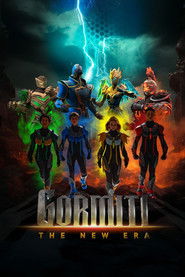
star 4To save the Realm of Gorm from the evil Lord Graven, four teenage Earthlings are trained by the Guardian of the Temple Myridell to master their elemental powers and summon their Warrior Spirits, the legendary Gormiti.Simon Coleman
2022
Sarah Jane's Alien Files
2010
Sarah Jane's Alien Files is a BBC series based on The Sarah Jane Adventures. It features Sarah Jane Smith, Luke Smith, Clyde Langer and Rani Chandra entering data on aliens they have encountered during their adventures into Mr Smith, Sarah Jane's extraterrestrial computer, to benefit humanity in the event that Sarah Jane is no longer capable of defending the Earth against alien threats. Each episode is a clip show summarising the events of episodes in which the featured aliens appeared. The only new footage is the framing and narration, shot entirely on the series' standing attic set. Occasionally, brief clips from Doctor Who are included for context, such as in episode 6 when the Judoon are compared to the Cheetah People of Survival in that each humanoid species looks superficially like a non-humanoid terrestrial mammal. The series format was based upon the short "alien files" clips previously produced for the CBBC's The Sarah Jane Adventures website.Misión S.O.S
2004
Misión S.O.S
2004
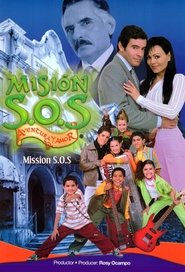
star 8.3The story follows the life of Diana, a pre-teen who lives in a neighborhood called Buenaventura. Diana and Christian, who has just moved to Mexico due to his parents' divorce, quickly become best friends, despite their families hatred for each other. However, the neighbors of Buenaventura are in danger of losing their homes, their school and much more, because the evil old Severiano plans to tear down the neighborhood and build an enormous shopping mall in its place. To accomplish his plan, Severiano is willing to resort to any means, and will provoke a series of disasters to drive the inhabitants away.Jao Sao Kong Arnon
2015
Jao Sao Kong Arnon
2015
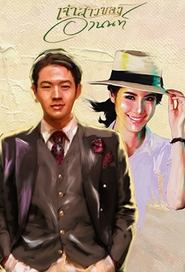
Arnon once loved his neighbor dearly. However, she is now married to another man. By chance he meets Suchada. Suchada stays away from Arnon as she has heard of his promiscuous ways. She is told by a friend that he has broken her heart. Suchada refuses to acknowledge a man who hurt her friend. As their story unfolds, Suchada’s real birthright becomes more clear.Belalı Baldız
2005
Belalı Baldız
2005
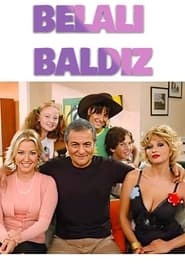
star 5.8Dilek, a down-to-earth, happily married mom of three, had her tidy world up-ended by the arrival of her celebrity sister, Arzu. Dilek and her husband, Faruk will find new parenting challenges as Arzu tries to influence their three impressionable kids.מחנה אבא
2020
מחנה אבא
2020
Ullu Baraye Farokht Nahi
2013
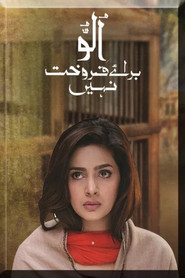
star 10The story revolves around a 20 year old student Aasiya Yaqoob, who falls in love with her Teacher Sir Chouhan. Although Sir Chouhan has never encouraged Aasiya’s bold initiatives, Aasiya’s advances continues. The story takes a sudden turn, when Aasiya’s father dies. Before his death, Aasiya’s father marries his son and daughter to his brother’s daughter and son respectively. Aasiya’s life turns upside down. The story emphasis on the plight of women in a male-dominated society. In order to find peace and solace, a typical woman turns to spiritual healers (Peers).Mochin
2020
Learning Time with Timmy
2018
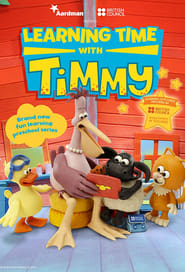
star 6.3Discover new words and join in the activities with Timmy and his friends in this fun learning series developed with the British Council, world experts in teaching English.Esther's Notebooks
2018
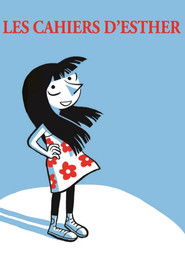
Esther's Notebooks
2018
star 6Based on true stories told by Esther A.*, Esther’s Notebooks draw us into the daily life of a girl talking about school, friends, family, and pop stars. In these 52 episodes, Esther tells you about her life with a lot of humor and emotion and dresses a real today’s life society portrait, seen through the eyes of a 10 year old.Stand By Me
2024
Stand By Me
2024
star 10For Hoàng Khang, a 12th grade student facing a choice for the future, the pressures of making a living always weigh heavily on him because he was raised by his grandmother's small chè (Vietnamese dessert) stall and he doesn't want his grandmother to worry anymore. Meanwhile, Quốc is a warm-hearted guy who always tries to take care of Hoàng Khang with everything he has, but it seems that Hoàng Khang always rejects Quốc's feelings. Where will the youth story of Hoàng Khang and Quốc go?