Family TV Series - Page 318

Roger Ramjet
1965
Roger Ramjet
1965
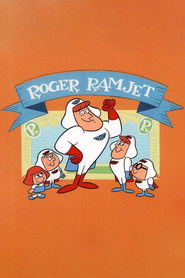
star 7Roger Ramjet is an animated American children's television comedy series that first ran in 1965 and has aired in syndication since. Starring Roger Ramjet and the American Eagle Squadron, the show was known for its crude animation, frenetic pace, and frequent references to popular culture, which allowed the show to entertain various age groups.Early, Early Morning...
1983
Based on the story of Valentina Oseeva "Dinka". This is the story of the friendship of the daughter of a revolutionary and a boy worker in Tsarist Russia. The events take place in 1910.SpongeBob DocuPants
2020
SpongeBob DocuPants
2020
star 8.3Imagine classic SpongeBob moments being told through the lens of documentary shows like E! True Hollywood Stories, Dateline, Behind the Music etc. Each episode takes an overly dramatic look into classic SpongeBob storylines.Gurbette Aşk
2013
Gurbette Aşk
2013
Fitnat Zamanha
2015
Fitnat Zamanha
2015
A Syrian family leaves their country to live in a resort, where they start stirring controversy and trouble among its residents after Fotna claims to be a seer. A feminist, Fotna's readings always favor the women whenever married couples seek her helpTheo Teaching Children God's Word
2015
Through fun and engaging storytelling, Theo teaches children God’s word and how they ought to live in light of it.Aaj Robibar
1996
Aaj Robibar
1996
star 6The sitcom revolves around the day to day life of an eccentric household consisting of a grandfather, his three socially in-adept sons, two granddaughters, a boarder, the male-servant and the maid. From the eldest brother who remains a bachelor and plays chess with himself, to the servant who tries to peek in through a key-hole and gets squirted with ink on a daily basis, this show is thoroughly entertaining.Finding Handsome
2024
Finding Handsome
2024
star 10A journey of a disbanded unknown idol member who dreams of a comeback to find his missing former member, Handsome.Humraaz
2025
Humraaz
2025
A tragic event intertwines the lives of Sara, Ahmer, and Saim. When Saim becomes victim of an incident, he suspects Sara's involvement despite her denials. Their paths merge as they face truths and seek answers.Téléfrançais
1984
Téléfrançais
1984
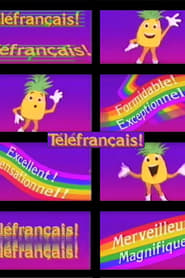
star 6.5Téléfrançais was a French language children's television show, produced by TVOntario from 1984 until 1986. The series of 30 ten-minute episodes has become a popular teaching tool, and is used by many educators to teach French as a second language to elementary and middle school children. The show's name is a portmanteau for télévision and français. The show follows the adventures of two children named Jacques and Sophie, and Ananas, a talking pineapple who resides in a junkyard. Other recurring characters are Pilote, Ginette, the Annonceur, Monsieur Pourquoi, Louis Questionneur, Brigitte Banane, and the comic skeletal musical group Les Squelettes. The programs were produced by Jennifer Harvey and directed by David Moore. The catchy theme and all of Les Squelettes' songs were written by the team of Bruce Ley and Jed MacKay. All the characters and scripts were created by Ken Sobol.Total Defense
2025
Total Defense
2025
star 10An Egyptian series about a man named Badr with his friends and sometimes his total defense life turns upside downOh My Geum Bi
2016
Oh My Geum Bi
2016
Geum-Bi is only 8-years-old, but she suffers from dementia. She is slowly losing her memory. Her father Hwi-Chul is a swindler. While taking care of Geum-Bi, he learns about the preciousness of life.Mírame así, el camino de Noa
0000
Noa visits her boyfriend in Argentina, where she meets Tomy. As she explores her musical identity under parental pressure, Tomy tries to leave his musical past behind while both navigate life in Buenos Aires.A Bond of Love
2018
A Bond of Love
2018
star 10Pantagarn, hi-so godlike, has the label of tragically handsome. Everywhere he appears, tragedy ensues. His looks and personality are complete opposites, no one can handle him, except his father. Pantagarn doesn't care about anyone, anyway. His father pushes him out of his life so he can enjoy his new life, with new family. Pantagarn believes that his step mother and her children weren't enough to come and take his father fortune, but now they have included her niece in this money sucking. Who did they think they were? Pantagarn won't have it. The target is Prapai, the young girl who dares to defy him. Since this girl is defiant and knows no limits, he will punish her, or will punishment turn into something else?Küçük Kadınlar
2008
XO LIFE
2017
XO LIFE
2017
Veteran producers scout for talented individuals who are made to live under the same roof as they undergo various challenges to showcase their creativity and gain popularity among viewers.Kirli Beyaz
2010
Kirli Beyaz
2010