Kids TV Series - Page 156

Die Jungs-WG
2009
Holly the Ghost
1991
Holly the Ghost
1991
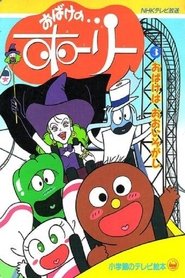
star 7.5Holly the Ghost, also known in Japan as The Ghost Holly, is a Japanese anime series directed by Minoru Okazaki. The series first aired in Japan on the NHK network between January 28, 1991 and March 6, 1992, spanning 200 episodes.Night Eyes
2023
Night Eyes
2023
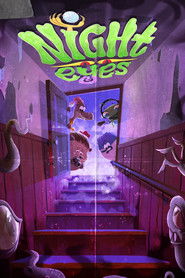
Ghostbusting gang Tai, Vim, Scuff, and Cadence team up to ward off evil baddies and catch them on camera, before they take over our dimension!Rá-Tim-Bum
1990
What's the Big Idea?
2013
What's the Big Idea?
2013
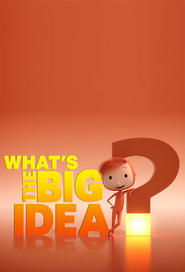
star 8Pre-school animation exploring ideas and promoting thinking skills, encouraging viewers to make up their own minds. Because philosophy is too important to leave to grown-ups!Treasure Trekkers
2019
Treasure Trekkers
2019
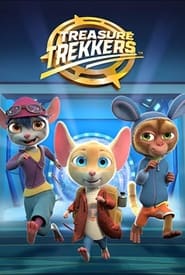
The ever-affable Professor Katmandu, headquartered at the Mouseum, and his robotic assistant Ms. B, deliver a mission to Trekkers: MIP, MAC, and MO. These tiny adventurers use their smarts to track down rare and endangered artifacts in legendary locales across the globe. In each quest, the three friends tackle adventurous challenges and sort out their own foibles to work as a team.The Ink Thief
1994
The Ink Thief
1994
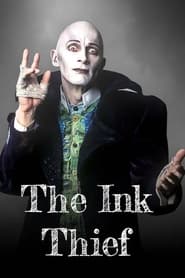
star 10The Ink Thief steals the power of children's imaginations by taking the ink from drawings and pulling two young children into his world inhabited by Oobs and other creatures of imagination. The Ink Thief was a 1994 British children's TV show, shown on the ITV channel during their CITV segment. It starred Richard O'Brien and Toyah Wilcox. The series was produced by Animus Entertainment for Tyne Tees Television.The Joy of Life
1991
The Joy of Life
1991
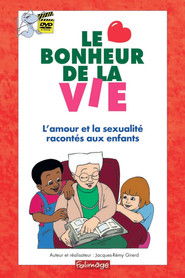
star 8This series answers children's most intimate questions concerning their sexuality.Millie and Lou
2022
Millie and Lou
2022
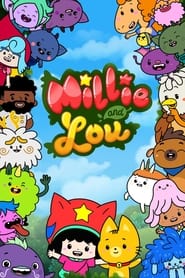
Deep in the forest lives Millie, a friendly, fearless young girl and her best friend Lou, a clever cautious little cat. Millie and Lou share the forest with exciting creatures, the Forest Folk, all based on mythical folklore. Together, these BFFs are on a magical mission to meet every single one.Cirkus
2024
Cirkus
2024
T'choupi à l'école
2013
Waiko
2024
Waiko
2024
A fun fair turns out to be a hotspot for alien visitors. They come here in the hope of finding a possible solution to their problem. It's up to enthusiastic teenage alien Nova and her three best friends to keep the arrival of the aliens a secret and help them continue their journey through the universe with a creative solution. Because even though the alien visitors often cause chaos, our friends do not avoid any problem. Everyone is welcome at the fair! Waiko!The Voice Kids
2014
The Voice Kids
2014
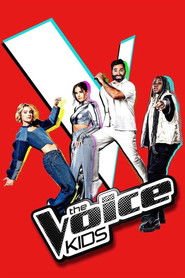
star 7The Voice Kids is a Belgian music talent show for aspiring singers aged 8 to 14, based on the concept of the show The Voice van Vlaanderen. The first broadcast took place on 5 September 2014 on VTM. The first season was won by Mentissa Aziza, the second by Jens Dolleslagers, the third by Katarina Pohlodkova, and the fourth by Jade De Rijcke. A fifth season is expected to premiere in late 2020 after a one-year break.Från A till Ö
1974
Från A till Ö
1974
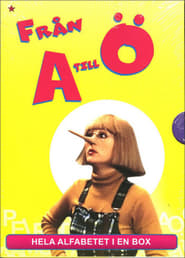
star 8.6Hedvig lives in a trailer in the woods and has a nose for learning new words. Helping her is Helge, an owl who lives on her roof.The Bremen Town Musicians
1969
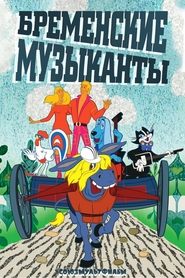
star 6.2A story loosely based on the Brothers Grimm fairy tale 'Town Musicians of Bremen', about a donkey, a dog, a cat, a rooster and their master TroubadourBird's Eye View
2022
Bird's Eye View
2022
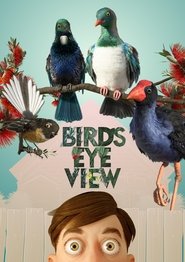
A flock of feathered friends sit together to ponder and debate the bizarre behaviour of humans in their natural habitat.Forever
2018
Forever
2018
A poor mistake of one genius mother in her science lab places a perfectly normal family in a situation where the three children must now live under one roof with two more teenagers – their PARENTS. Until they’re able to fix what went wrong, they must live together in the same house, and keep the whole thing a secret from the world. Worst of all, the parents must join their teenaged-twins’ class in high school – pretending to be their cousins. How does it feel to go to school WITH your parents? How does it feel when the hottest boy in class falls in love with your MOTHER instead of falling for you? And how did it happen that your DAD now has more friends on FACEBOOK than you? Will the kids and parents of the Gillman family learn new things about each other, about family and perceptions, before they change back to being normal?Monster High: Webisodes
2022
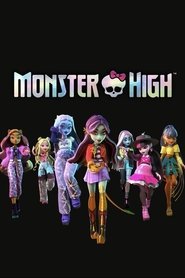
star 7.8The adventures of Clawdeen, Frankie, Draculaura, and the rest of the ghouls at Monster High continue in this animated YouTube series that offers fans even more of the beloved characters and world.Parquinho
2013
Parquinho
2013