Kids TV Series - Page 199

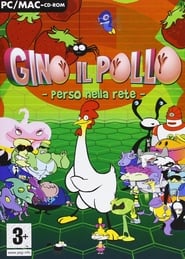
Gino il Pollo perso nella rete
2006
star 9Gino the Chicken, also as Gino the Chicken lost in the net, is an Italian television series. Was initially an Internet meme created by Andrea Zingoni, here became an animated series produced by RAI.Disney CRUJ
2001
Disney CRUJ
2001
Pinwheel
1977
Pinwheel
1977
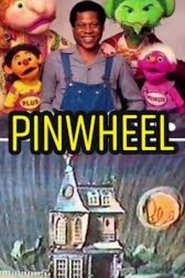
star 5Pinwheel is a children's television show that aired on the Nickelodeon cable network from 1977 to 1989. The show was the original program featured on the Nickelodeon network.Toopy and Binoo Vroom Vroom Zoom
2013
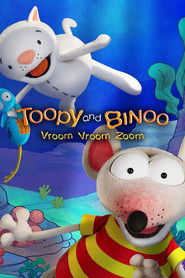
star 10Following a tale of Toopy and Binoo, friendly cat and mouse duo who are always going on adventures.The Cobi Troupe
1992
The Cobi Troupe
1992
Skobičiny
2019
Skobičiny
2019
Katie's Kuri
2026
Katie's Kuri
2026
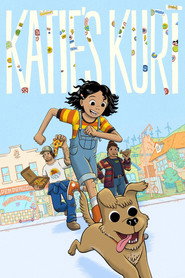
This children's show explores the friendship between a lonely girl named Katie and her new puppy, given to her when she moves in with her uncle. Katie's confidence grows as she uses te reo Maori to train the pup at Whaea Kaz's dog training school.Panisk Påske
2015
Cirkus
2024
Cirkus
2024
Space Bug
2018
Space Bug
2018
This story is about Mick, a sleeping chironomid. Insects are taken up into space for use in experiments by humans. An epic space adventure of Mick and his friends of their journey back home to Earth. The development plans and experiments are aborted by humans for no known reason, the organisms are left behind in the space station with limited resources. Going over hurdles and fighting through challenges, together, they travel across planets and gain new comrades, heading for Earth. As their journey progresses, the mystery behind the human’s abandonment unravels…Cossacks. Football
2016
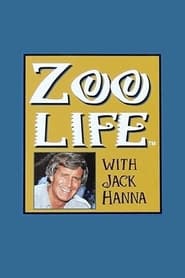
ZooLife with Jack Hanna
1994
Discover animal facts as you explore the world's wildlife with Jack Hanna, Director Emeritus of the Columbus Zoo. Along the way, you'll also learn what's being done to preserve the animals and their habitats.100 in Bible
2007
100 in Bible
2007
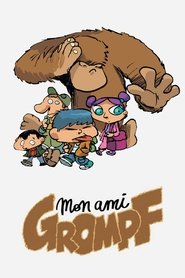
Mon ami Grompf
2011
Mon ami Grompf
2011
star 9This is the story of a little boy who feels very alone at home. To remedy this, his dad decided to offer him a pet. He comes face to face with a monkey in a box; the seller explained that this is a Tibetan dwarf monkey. In fact, it was a yeti! And the animal takes up space in the family that lives to the rhythm of the big blunders and hairy little master.Miniforce Super Dimension Force
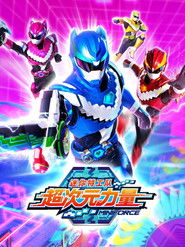
2024
Chinese-produced live action/CGI hybrid series based on the Korean animated series, Miniforce.Mighty Little Bheem: Kite Festival
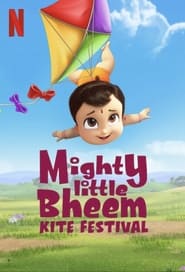
2021
star 6With winter behind them, Bheem and his townspeople usher in a sunny new season in all their favorite ways during the Makar Sankranti festival.Vynálezce Alva
2012
Vynálezce Alva
2012