Kids TV Series - Page 258

百变布鲁可之欢乐小镇
0000
百变布鲁可之欢乐小镇
0000
Onkel Rejes julefis
2015
Onkel Rejes julefis
2015
꼬마어사 쿵도령
2016
꼬마어사 쿵도령
2016
Marvel's Avengers: Mightiest Friends
0000
The series introduces kid versions of Earth's Mightiest Heroes: Iron Man, Captain America, Hulk, Black Panther, Black Widow and Thor. Together, the young Avengers strive to be their best selves while facing off against classic Super Baddies.弹球大闯关
2022
弹球大闯关
2022
逗逗虎汉字大学堂
2013
逗逗虎汉字大学堂
2013
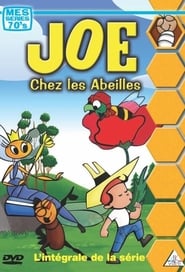
Joe the Little Boom Boom
1960
Joe the Little Boom Boom was an animated television series first produced between 1960 to 1963 and later remade into an animated feature film in 1973. The show and the film were created by Jean Image, one of the leading French animators of his time.Riddle Me This
2022
Riddle Me This
2022
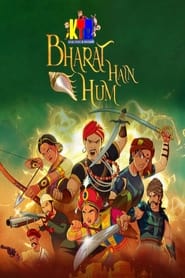
In this mesmerising animated journey, kids use their powers of critical thinking and imagination to solve an intriguing mystery riddle.Krish, Trish and Baltiboy: Bharat Hain Hum
2023
Three animal storytellers called Krish, Trish and Baltiboy tell the story of India's fierce struggle for freedom through great moments of courage and sacrifice.Kaiyou Senshi Sea Saver
2023
star 8Enoshima Island, Shonan, where a lot of garbage has washed up through the river and sewage system. This negative energy gives birth to the powerful "Trash Monster: Mad Trasher," who begins to attack mankind! Around the same time, a young man who loves the ocean discovers a mysterious stone during a beach cleanup…动物神探队之探险之旅
2023
动物神探队之探险之旅
2023
The Valiant Varneys
1964
The Valiant Varneys
1964
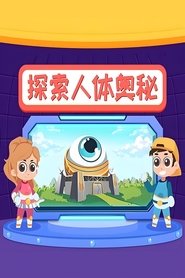
A BBC children's comedy series in which Reg Varney plays a variety of characters from throughout history.探索人体奥秘
2023
探索人体奥秘
2023
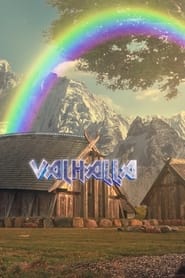
Mission Valhalla
2022
Mission Valhalla
2022
亿奇惊喜猜拆乐之梦奇小魔仙
2021
亿奇惊喜猜拆乐之梦奇小魔仙
2021
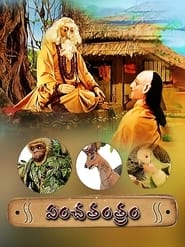
Panchatantram
2018
Panchatantram
2018
The Panchatantram is an ancient Indian collection of interrelated animal fables in Sanskrit verse and prose, arranged within a frame story. The surviving work is dated to about 200 BCE, but the fables are likely much more ancient. The text's author is unknown, but it has been attributed to Vishnu Sharma in some recensions and Vasubhaga in others, both of which may be fictitious pen names. This has made in to a show by ETV Telugu.小可爱娜斯佳
2015
小可爱娜斯佳
2015