Kids TV Series - Page 262

宝宝巴士汽车家族
2022
宝宝巴士汽车家族
2022
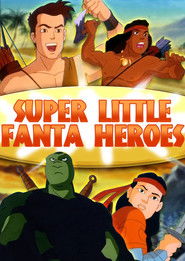
Super Little Fanta Heroes
1998
star 8Gifted with their ancestors' virtues, the heroes featured in these adventures are these characters: Hercules and his friendly dog Cerberus, Hua Mulan and the friendly eagle Tylli, the Ninja Turtle Dragon, Ulysses--assisted by a Ram and Bear, King David and the cheetah Betsy, the Thief of Baghdad--aided and abetted by his cave lion Yubba, Jerome and the friendly cave cougar Bloody Knife with the buffalo Wapi, the protective Blue Yeti, and two little dinosaurs named Knock and Hit.贝乐虎故事
2021
贝乐虎故事
2021
Så er der tegnefilm
2019
超级飞侠文化中华
2023
超级飞侠文化中华
2023
Welkom bij K3
2015
Welkom bij K3
2015
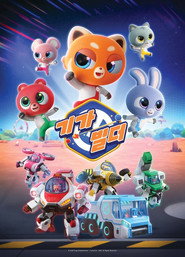
GigaBuilder
2026
GigaBuilder
2026
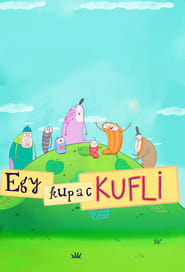
A heap of muffins
2017
A heap of muffins
2017
The seven muffins live in the middle of the Deserted Meadow, far from the noise of the world, in the cavernous caverns of a muffins heap. The greenest in the green. Muzzle is the reddest. Titus is the yellowest. Hilda is the coolest. Valér is the blueest. Bela is the brownest. Fityirc is the grayest because ... Well, because it must be somebody! They are brave and timid, gentle and sudden in nature, multilingual and silent, clever and ... Well, they are all different. Like children (and adults, of course). Muffins loves best when nothing happens to them, they can just laze around at the top of their heap. But in vain, because most of the time their peaceful day turns into a complicated adventure! Luckily, the muffins are good friends, and together they can solve even the most jovial situations!Possible Possum
1965
Possible Possum
1965
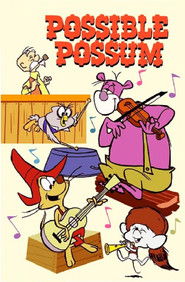
Possible Possum is a series of animated shorts for television, produced by Terrytoons. One of the last series to be produced in-house at New Rochelle before the animation studio chose to outsource to the L.A-based studio for the remainder of its active years. The series ran from 1965 to 1971, a year after Deputy Dawg ceased production.All About Animals
2017
All About Animals
2017
Brave Bunnies
2021
Brave Bunnies
2021
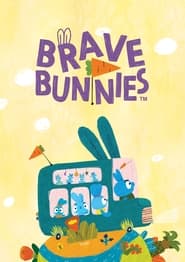
star 6Brave Bunnies is an animated entertaining and educational 2D series for preschool kids. The main idea of the series is to show kids the diversity of the world around them, teach them to accept various traits of others, and successfully communicate even with those who are completely different. Using the example of Brave Bunnies and their friends, parents can explain how to interact with other kids in the kindergarten or at the playground. In each episode, Brave Bunnies meet friends and come up with a fun game to play together.처음 만나는 삼국유사
2025
처음 만나는 삼국유사
2025
Nina Needs to Go!
2013
Nina Needs to Go!
2013
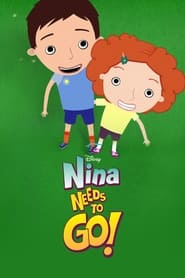
star 4Nina, a young girl, goes on adventures everywhere, determined to get to the bathroom.帮帮龙之救援日记
2022
帮帮龙之救援日记
2022
Cocoricó (2024)
2024
Čarodějné pohádky
2002
Čarodějné pohádky
2002
演讲与口才 S2春季班
2026
演讲与口才 S2春季班
2026