Kids TV Series - Page 122

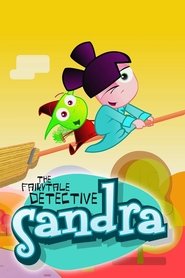
Sandra, The Fairytale Detective
2009
star 7.9Sandra, The Fairytale Detective is a Spanish TV series. Created by Imira Productions. It is an animated program aimed at young children that attempts to combine the genres of fairy tales and detective novels. A few years back, Imira Entertainment sought a way to combine those two concepts while simultaneously creating one of the most inventive cartoons in years. Now, the company is taking its proven success and shopping it around a number of new locations, bringing Sandra to TG4 in Ireland and RSI in Switzerland. The Fairytale Detective is accompanied by her pal Fo the Elf, a 508 year old assistant who gathers Sandra’s cases, as well as Rachel, Sandra’s best pal. As if the mysteries weren’t tough enough, Markus will appear on occasion, hoping to spoil the day by bullying Sandra. Thankfully, though, Sandra always finds her way.Wishenpoof!
2015
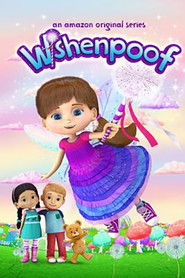
Wishenpoof!
2015
star 5Bianca is just like any other little girl, except for one teensy little thing. Bianca has Wish Magic, so she can make wishes come true. Whether she's at home in Wish World, at the Willow Tree with her fairy friends, or at school with her non-fairy friends, Bianca and her hilarious teddy bear sidekick Bob navigate day-to-day problems with a little help from Bianca's mom and of course, wish magic!Pokémon: Path to the Peak
2023
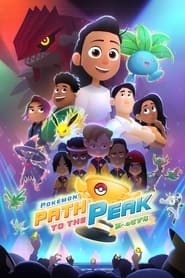
star 7.2Making friends after moving to a new town can be a challenge. That's the case for Ava, a 13-year-old who's just moved to a new town and finds herself missing her old life as she begins attending an unfamiliar school.Pendlerkids
2012
Pendlerkids
2012
star 8.5Kasper's parents are divorced. Every other weekend he takes the train between Jutland and the capital with a group of other children. Kasper finds it difficult to make friends, but he has a talent for rapping and it gives him a strong connection with another outsider Tobias, who makes music on his computer. On the train the two boys make a rap CD for a pretty girl named Marie. It turns out that her father is a famous judge on a popular talent show on television. That opens up new opportunities for boys, but it also creates jealousy among the popular kids in the railway car.Ciné si
1989
Ciné si
1989
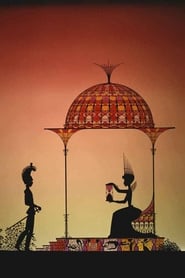
star 6.5A silhouette animation anthology TV series conceived, written and directed by Michel Ocelot and realised at La Fabrique, consisting of short fantastical stories performed by the same animated "actors." A critical success but commercial failure at the time, no further episodes were commissioned beyond the initial 8, but, following the success of Ocelot's Kirikou and the Sorceress, 6 were edited into the 2000 feature Princes and Princesses, in which form they finally saw wide exposure and acclaim both in France and internationally; a further episode was included in a home release of short works in 2008, but one remains unavailable for public consumption.Tales from the Poop Deck
1992
star 6Tales from the Poop Deck is a CITV children's comedy programme about Connie Blackheart's adventures as a pirate, and her battles with Admiral De'Ath. It is set in the 18th century. Premiering in April 1992 with 25-minute episodes, it was cancelled later that same year.The Curse of Wolf Castle
1974
star 7One day, Doctor Kroch (Henk van Ulsen) receives a chest full of gold, accompanied by a half-illegible letter pleading for help. The doctor pays no further attention to it; the patient, after all, is asking for a cure for... gold fever. When the chest is later stolen by bandits Oenk (Tabe Bas) and Boenk (John Lanting), Doctor Kroch starts to think there might be more to it after all. He decides, together with his servant Valet (Henk Molenberg), to try to find the sender of the letter, the Duke of Woestewolf (Ton van Duinhoven). During his journey, the doctor is warned by Esmeralda, a gypsy fortune-teller (Elsa Lioni). Nevertheless, he continues his journey. “Ghosts do not exist. Everything can be explained by science,” the doctor claims. But the closer he gets to Woestewolf, the stranger his adventures become.喜羊羊与灰太狼之羊羊小心愿
2014
Sagan om Skrotnisse och hans vänner
1985
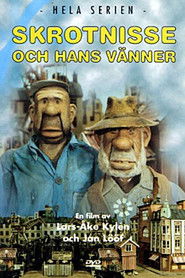
star 8The story of "Skrotnisse" and his son "Kalle" who works at a junk yard, and the adventures they experience.Lip Sync Battle Shorties
2016
star 7.3Children lip sync pop songs in celebration of their favorite artists.The Minikins
1982
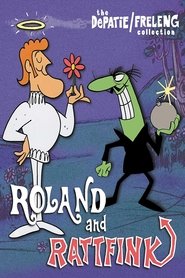
Roland and Rattfink
1968
Roland and Rattfink
1968
star 6Collection of cartoons with the blond, muscular, good-looking, pacifist "good guy" Roland and the many attempts by the evil, weedy, green-skinned, mustachioed Rattfink to defeat or dispose of him.Mighty Man and Yukk
1979
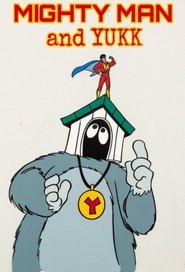
Mighty Man and Yukk
1979
star 7.5Yukk is the ugliest dog that ever was, but he happens to belong to millionaire Brandon Brewster. Brandon uses his mighty machine to shrink in size but become super powered while his sidekick Yukk helps him through adventure after adventure.Stan Can
2025
Stan Can
2025
Meet Stanley, the can-do hamster who’s always happy to help whenever a job needs doing.Pikwik Pack
2020
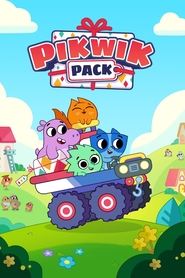
Pikwik Pack
2020
star 4Follows four adorable animal friends as they work together to deliver magical surprises to the kind citizens of their bustling town.Wakfu: The Quest for the Six Eliatrope Dofus
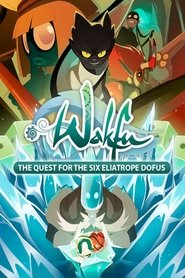
2014
star 7.4Six years after the defeat inflicted on Qilby by Yugo and his team, tears flow again in Amalia's kingdom. To prevent this, the heroes must find the six missing Dofus.Fishtronaut
2009
Fishtronaut
2009
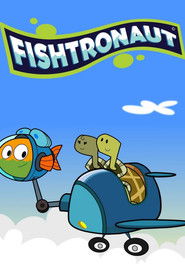
star 9The series tells the story of Fishtronaut, a fish in a spacesuit, similar to reverse scuba gear, which allows him to fly and breathe out of water. He is a secret agent of Secret Environmental Agency who, along with his friends Marina and Zeek, unravel the mysteries occurring in the Smiling Trees Park. They solve the mysteries with the help of a P.O.P. (Primary Objective Pod), a magical multicolored ball containing clues vital to the mission.Leonie Löwenherz
1991
Leonie Löwenherz
1991