Kids TV Series - Page 126

Dino Squad
2007
Shaun the Sheep: Adventures from Mossy Bottom
2020
star 8.1Clever sheep Shaun, loyal dog Bitzer and the rest of the Mossy Bottom gang cook up oodles of fun and mischief on the farm.BeddyByes
2025
BeddyByes
2025
Join best friends MeMo and BaBa as they travel across the remarkable Planet BeddyByes, meeting new and familiar faces on their mindful and soothing journey to bedtime.P. King Duckling
2018
P. King Duckling
2018
star 2P. King, the daring but hapless duck, teams up with best buddies Wombat and Chumpkins to find wacky and wild ways to solve their problems.O Show da Luna
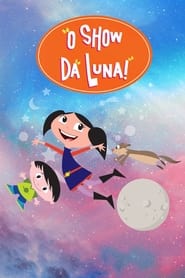
2014
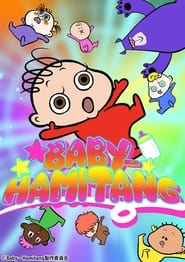
BABY-HAMITANG
2022
BABY-HAMITANG
2022
The episodes will present topics from the list of 17 Sustainable Development Goals (SDG) such as global warming, food waste, and gender equality, in an easy-to-understand manner. Baby Hamitang will then solve the issues.Morphle
2019
Morphle
2019
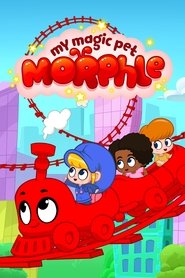
star 6Little Mila turns playtime into a series of fun and educational adventures with her magical pet Morphle, who transforms into anything she dreams up!Kulderzipken
1995
Kulderzipken
1995
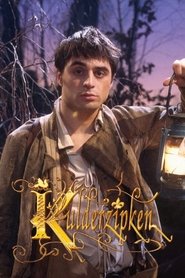
star 7.8Kulderzipken is a Flemish television series that premiered in 1995. Two seasons of ten episodes each have been made since then.蛋神奇踪
2009
Enban Sensou Bankid
1976
Enban Sensou Bankid
1976
star 6Enban Sensou Bankid is the title of a tokusatsu series of classic made by Toho. The series, consisting of 26 episodes, is a result of joint production with Nippon Television, and aired in Japan starting on October 3, 1976 until the 23 March 1977.The Legend of the Lost Keys
1998
The Legend of the lost keys is an educational BBC Look and Read production, which was first aired on BBC Two on 12 January 1998, and has been shown regularly ever since.Mister Maker
2007
Mister Maker
2007
star 5.8Mister Maker is a pre-school children's arts and crafts programme commissioned by Michael Carrington at the BBC for CBeebies. The programme launched in 2007 and also airs on BBC One and BBC Two. In the United States and Latin America the show airs on the Discovery Familia network, dubbed in Spanish. To date three series have been commissioned from The Foundation. It also airs in Australia on ABC2. The programme comprises a mixture of animation and real time content, and a spin-off programme Mister Maker Comes to Town began in 2010. Mister Maker is played by Phil Gallagher.Dr. Seuss's Red Fish, Blue Fish
2025
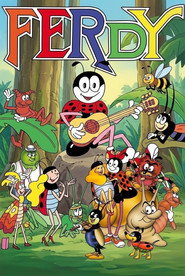
star 6One fish, two fish, meet Red Fish and Blue Fish! From there to here — and from here to there — these friends find opposites everywhere!Ferdy The Ant
1984
Ferdy The Ant
1984
star 6.4"Fredy" is a black ant who solves his problems in every episode with his intelligence and the help of his friends.Kamen Rider Blade: New Generation
2004
Many years after Kamen Rider Blade, the threat of the Undead rises once again and a new generation of Kamen Riders is recruited to fight them.Gangnam Project
2024
Gangnam Project
2024
star 9A spirited biracial Canadian/Korean teen, obsessed with K-pop, accepts a job as an English tutor at an elite Korean entertainment company, but gets more than she bargained for.Flower Pot Men
1952
Flower Pot Men
1952
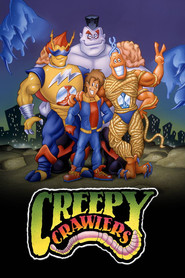
star 8The Flower Pot Men is a British children's programme, produced by BBC television, first transmitted in 1952, and repeated regularly for more than twenty years, which was produced in a new version in 2001. The show was the basis for a comic strip of the same name in the children's magazine Robin.Creepy Crawlers
1994
Creepy Crawlers
1994
star 3.7Creepy Crawlers is an joint-venture between American and French animated series from 1994, produced by Saban Entertainment.