Kids TV Series - Page 240

Portveiens julekalender
1987
«Portveiens julekalender» is a Norwegian children's Christmas TV series that aired on NRK in December 1987. It was a special holiday edition of the beloved children's show «Portveien 2», which originally ran in the 1980s. The series follows the hosts Eli Rygg, Terje Strømdahl, and the puppet giraffe Raffen as they count down to Christmas with daily episodes filled with songs, storytelling, crafts, and festive preparations. Each episode offers a warm, cozy atmosphere with themes of kindness, creativity, and anticipation of the holiday season.Maui Kitty's Play Day
2019
star 10Nestled between Iao Valley and Olowalu, lies a traditional Hawaiian cottage on the beach of Turtle Cove. Not far from the cottage, the Pacific Ocean, the Road to Hana and the volcano of Haleakala are only moments away for exploratory adventures for Maui Kitty and his friends. Join Maui Kitty and his friends on their entertaining adventures while learning the Hawaiian Culture and the premise of Aloha Spirit in this comedic television series.Draco, a borzasztó
2019
Draco, a borzasztó
2019
新大头儿子和小头爸爸——带你看中国
2024
新大头儿子和小头爸爸——带你看中国
2024
Jungle Beat
2012
Jungle Beat
2012
Kikoriki: The ABC's of Children's Rights
2008
star 5A series of cartoons teaching children their rights.Baby Talk
1991
Baby Talk
1991
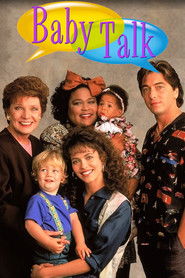
star 6.8Baby Talk is an American sitcom that aired on ABC from March 8, 1991 until May 8, 1992 as part of ABC's TGIF lineup. The show was loosely based on the popular Look Who's Talking movies and was adapted for television by Ed Weinberger. Amy Heckerling created original characters for the series while using key creative and script elements from Look Who's Talking, which she had written and directed. Weinberger served as executive producer during the first season, and was replaced by Saul Turteltaub and Bernie Orenstein in the second season.The Dooley and Pals Show
2000
The Dooley and Pals Show, sometimes shortened to just Dooley and Pals, is an American children's television series. The main character is Dooley, a friendly alien who has landed in a backyard on Earth. He explores the planet with the children of the neighborhood as his guides. The show is meant to teach moral values and educational basics to children ages 2–5. Dooley was originally played by Ken Jones. Jones served as the head writer for the series as well as the voice for Dooley and other characters including Coach and Cosmos. Suzanne Fitzpatrick, 7th Heaven, served as the supervising producer during the development of the series at Disney/MGM Studios transitioning Dooley from the original 'dinosaur' concept to the space boy. There are two versions of this show: The Dooley and Pals Show, and The Dooley and Pals Show Children's Ministry. The main content of the shows—storylines, lessons, and themes—are identical; the only difference is that in the "Children's Ministry" version, the "Fun Facts" sSummer Camp
2017
Summer Camp
2017
We follow five 12-year old kids during a weeklong summer camp. A Scandinavian summer filled with drama, love, disappointments, friends and adventure.Astrobrot
2020
Astrobrot
2020
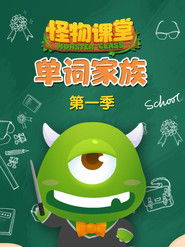
怪物课堂单词家族
2019
怪物课堂单词家族
2019
毛毛镇之冰雪加油队
2021
毛毛镇之冰雪加油队
2021
Tři prasátka
2010
Tři prasátka
2010
Joe the Little Boom Boom
1960
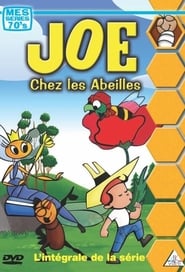
Joe the Little Boom Boom was an animated television series first produced between 1960 to 1963 and later remade into an animated feature film in 1973. The show and the film were created by Jean Image, one of the leading French animators of his time.Bobinogs
0000
Bobinogs
0000
star 10Bobinogs is a children's television programme shown most recently on the BBC channel CBeebies in the UK. It debuted for a Welsh audience, but in 2003 started being broadcast in the English market. It originally featured a child and three characters who lived in his hat: inanimate when he was present, but active when he was out. This aspect of the series was later dropped dropped; the characters are now active from the beginning of the programme. The three main characters play in a band. A typical episode involves them trying to solve some sort of problem, then performing a song about it at the end. At one point in the episode they will obtain a clue to the problem's solution by looking through their "bobinoculars", which show video footage from the real world. Bobinogs has been sold to television stations throughout the world since its launch in 2003.Vintergatan 5b
2001
Vintergatan 5b
2001
JULTRA: Sofie og Bubbers jul
2014
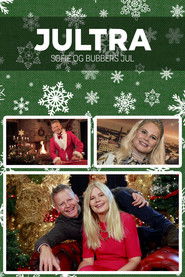
star 10Bubber want to make a chrismas show, not all goes as planned, and involved "kidnapning" of two kid and whole milk, lots of whole milkSigges cirkus
1955
Sigges cirkus
1955
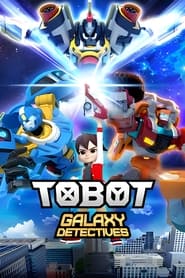
Tobot Galaxy Detectives
2021
star 6Young detective Tyler King tackles all kinds of mysteries with his friends, the Galaxy Detectives.