News TV Series - Page 14

Night-Club
1968
Night-Club
1968
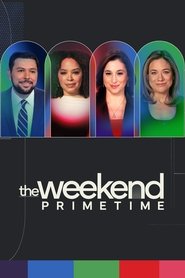
The Weekend: Primetime
2025
star 8Ayman Mohyeldin, Antonia Hylton, Catherine Rampell, and Elise Jordan team up to bring their wide range of political expertise to “TheWeekend: Primetime,” every Saturday and Sunday evening. Fresh analysis of the week's biggest events and a rotating crew of major newsmakers.Diary of Tootsies
2016
Diary of Tootsies
2016
star 9After simultaneous heartbreaks, online diary writer Gus and his squad of queer BFFs navigate the ins and outs of dating to find true love.VH1 Rock Honors
2006
VH1 Rock Honors
2006
star 7The VH1 Rock Honors were an annual ceremony paying homage to bands who influenced the sound of rock music. The events began in 2006, and the final event took place in 2008. The general format of each show is for modern bands to "pay tribute" to classic greats of the rock/metal world, after which time the artist being paid tribute to plays multiple songs. The 2006 and 2007 shows featured four inductees each, whereas the 2008 show featured one, albeit with multiple bands paying tribute. The shows were directed by David Mallet and produced by Paul Flattery. Currently, VH1 has no plans for a CD or DVD release of any show.Russell Howard's Good News
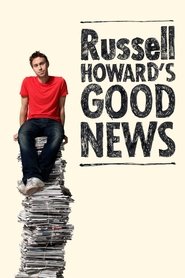
2009
star 7Russell Howard offers his unique perspective on the big stories dominating all of our news outlets, from online and print to broadcast, as well as picking up on those sometimes overlooked things. He uses clips, sketches and studio guests to look at things that have made him smile during the week.HeatFleet: HeatWeek
2024
HeatFleet: HeatWeek
2024
HeatWeek is a weekly program providing up-to-date heating oil price reports across U.S. states. Designed to keep viewers informed about market trends, it highlights key price movements and energy insights. Produced by HeatFleet, the series also connects audiences with HeatFleet.com, the platform that makes ordering heating oil online simple and reliable.NOVA scienceNOW
2005
NOVA scienceNOW
2005
star 8NOVA scienceNOW is a News magazine version of the long-running and venerable PBS science program Nova. Premiering on January 25, 2005, the series was originally hosted by Robert Krulwich, who described it as an experiment in coverage of "breaking science, science that's right out of the lab, science that sometimes bumps up against politics, art, culture". At the beginning of season two, Neil deGrasse Tyson replaced Krulwich as the show's host. Tyson announced he would leave the show and was replaced by David Pogue beginning season 6.Die Wochenshow
1996
Die Wochenshow
1996
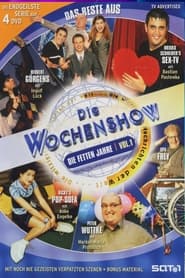
star 6.2Die Wochenshow is a German weekly comedy sketch show that aires on Sat.1 and is produced by Brainpool TV. It started on 20 April 1996 and was cancelled early in 2002. Almost a decade later, eight new episodes have been broadcast since 20 May 2011.The Dinosaur Hour
2023
The Dinosaur Hour
2023
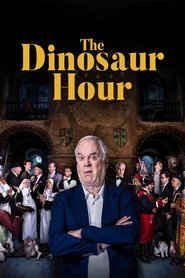
Comedy legend John Cleese presents The Dinosaur Hour, a new discussion show for GB News. In this series, John has the opportunity to talk to the people he most admires about the subjects that matter most to him.2i.37
2024
2i.37
2024
VICE
2020
VICE
2020
star 8.3The Emmy®-winning documentary series is now on SHOWTIME, delivering immersive reporting from the frontlines of global conflicts, civil uprisings and beyond, and tackling untold and complex geopolitical stories from all corners of the globe.The Henry Ford's Innovation Nation
2014
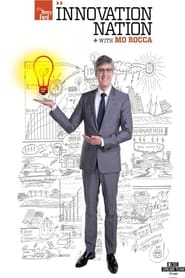
star 5The Henry Ford’s Innovation Nation is a weekly Saturday morning show on CBS that showcases present-day change-makers from all over the world who are creating solutions to real needs. It is hosted by news correspondent and CBS Sunday Morning regular Mo Rocca. Each episode presents stories related to the process of innovation and also includes one story on The Henry Ford—its Archive of American Innovation, its unique visitor experiences and its unparalleled expertise. The intent is to stimulate curiosity and to inspire audiences with entertaining yet educational stories about yesterday and today’s visionaries and turning points that changed the course of history, as well as innovations and inventions that are changing the world today. The Henry Ford’s Innovation Nation is produced in partnership by The Henry Ford and Litton Entertainment, a leading independent production and distribution company.Capital
1995
Capital
1995
star 7Magazine that covers economic, financial, and social topics on a national or international level.3600 secondes d'extase
2008
A satirical current affairs show offering a side-splitting take on the day’s news headlines.İşte Hayat
1974
İşte Hayat
1974
Unreported World
2000
Unreported World
2000
star 8.6Unreported World is a foreign affairs programme produced by Quicksilver Media Productions and broadcast by Channel 4 in the United Kingdom. Over the course of its twenty-four series, reporters have travelled all over the world in an attempt to uncover stories usually ignored by the world media.Jonestown: Terror in the Jungle
2018
star 6.8Documentary series that examines the Jonestown Massacre 40 years later.TV Nation
1994
TV Nation
1994
star 5.7TV Nation is a satirical newsmagazine television series written, directed and hosted by Michael Moore that was co-funded and originally broadcast by NBC in the United States and BBC2 in the United Kingdom. The show blended humor and journalism into provocative reports about various issues. After moving to Fox for its second season, the show won an Emmy Award in 1995 for Outstanding Informational Series. TV Nation was created in the wake of the success Moore had with the documentary Roger & Me, prompting Warner Bros. television to ask Moore for television series ideas. In January 1993 NBC green-lit a pilot episode which took three months to complete. Interest from the BBC prompted NBC to insert the show into its summer 1994 lineup.Morning Joe
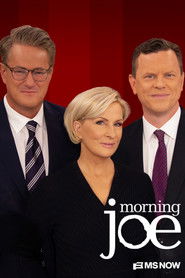
2007
Morning Joe
2007
star 6.6Morning Joe is a weekday morning talk show on MSNBC, with Joe Scarborough discussing the news of the day in a panel format with co-hosts Mika Brzezinski and Willie Geist. It was created as the replacement for Imus in the Morning, which was canceled in April 2007 after simulcasting on MSNBC since 1996. It airs from 6AM to 9AM Eastern Time.Good Game: Spawn Point
2010
star 5Hosted by passionate gamers Hex (Stephanie Bendixsen) and Bajo (Steven O'Donnell) and not so nice Robot, Darren (Data Analysing Robot for the Ruthless Extermination of Noobs), Good Game: SP will be the show for younger gamers by gamers.