News TV Series - Page 41

Douglas Edwards with the News
1948
star 7On May 3, 1948, Edwards began anchoring CBS Television News, as a regular 15-minute nightly newscast on the CBS television network, including WCBS-TV. It aired every weeknight at 7:30 pm, and was the first regularly scheduled, network television news program featuring an anchor.[5] (WCBW/WCBS-TV newscasts prior to this time were local television broadcasts seen only in New York City.) NBC's offering at the time, NBC Television Newsreel, which premiered in February 1948, was simply film footage with voice narration.Exakt
2019
Exakt
2019
Rewind
0000
Rewind
0000
So That Happened
2020
So That Happened
2020
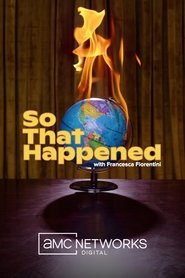
An AMC Digital news show for the best of times, but mostly the worst of times. Hosted by Francesca Fiorentini.Fashion News
2021
Fashion News
2021
FashionNews provides the latest fashion news on and off the runway. Exclusive interviews with fashion designers, behind-the scenes fashion-week coverage and updates. Also International Music Events and Award Shows and RedCarpet Interviews. Also Included: editor-curated weekly picks, breaking news and business analysis, the best in celebrity style and culture reviews. Informations for fashionistas searching for the latest fashion trends, shopping guides and style-expert tips on how to make the most of your wardrobe and the inside scoop on how to live your most fashionable life yet.Data Sources
2023
Data Sources
2023
Data Sources goes beyond the official version in search of the truth: human rights violations, institutional failures, affairs of state, abuses of power and the criminal exploitation of the planet... ARTE’s digital investigative magazine takes you beyond the headlines.Krimi-nyt
2025
Deadline: White House with Nicolle Wallace
2017
star 5.5Hosted by Nicolle Wallace, this program provides in-depth reporting and dynamic discussions on the political stories driving the news cycle. Nicolle Wallace brings viewers the latest political developments of the day, in addition to interviews with leading newsmakers and influential politicians. Drawing on her years of experience as communications chief for President George W. Bush and senior advisor for the McCain-Palin campaign, Wallace provides political insight and clarity on where key decision-makers stand on complex issues.SportsNation
2009
SportsNation
2009
SportsNation is a sports-related television program that airs on ESPN, ESPN2, ESPN America and ESPNews. The series is based on SportsNation, the fan forum and poll section of ESPN.com. The show is typically 60% material generated or suggested by fans, including videos from the internet, athlete Tweets, and online polling. The show had aired in occasional segments on ESPN and ESPN2 before becoming a fixture of ESPN2's weekday afternoon block in September 2011. As of June 2013, the SportsNation hosts are Max Kellerman and Marcellus Wiley and is produced at ESPN's Los Angeles studios. From July 6, 2009 until December 20, 2012, SportsNation was taped at ESPN's world headquarters in Bristol, Connecticut. The initial hosts were Colin Cowherd, who hosts the ESPN Radio midday program The Herd with Colin Cowherd, and Michelle Beadle, who joined ESPN from the YES Network. On June 1, 2012, Beadle left to join the NBC family of networks as a sports and entertainment contributor and was replaced by Numbers Never Lie host ChariUnited States of Secrets
2014
star 9FRONTLINE reveals the dramatic inside story of how the U.S. government came to monitor and collect the communications of millions of people around the world, and the lengths they went to as they tried to hide this massive surveillance program from the public. The series is gripping viewing for those who want to understand the context of the Snowden affair—and what it means for all Americans.Eerste keus
2024
Eerste keus
2024
Contract TK
2023
Contract TK
2023
Late night writers on strike to get a fair contract from the AMPTP come together to do what they do best, make jokes (about the AMPTP).CNN NewsNight with Abby Phillip
2023
Joining CNN's top anchors for special events and unique conversations about the issues that matter the most.Gurutto Kansai Ohirumae
2003
This show brings you plenty of fresh information about Kansai through live broadcasts. They cover regional topics delivered through various Kansai networks, along with tips for enjoying the region, such as cooking, health, hobbies, culture, and outing information.Cousu main
2014
Cousu main
2014
Noovo Le Fil 17
2021
Tijd voor MAX
2008
Tijd voor MAX
2008
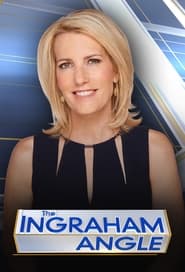
The Ingraham Angle
2017
The Ingraham Angle
2017
star 3.7Laura Ingraham shines a spotlight on everyday Americans and examines how their lives are affected by politics at the federal, state and local level.