News TV Series - Page 6

Cérémonie des César
1976
Cérémonie des César
1976
star 4.6The César Awards are cinematographic awards created in 1976 and presented annually in Paris to professionals of the 7th art in various categories to recognize the best French productions. They are often cited as the French equivalent of the Oscars in the United States.Newscast
2020
Newscast
2020
star 6In a televised version of the popular podcast, Adam Fleming, Chris Mason, and guests chat about the stories behind the news.The News Puppets
1988
The News Puppets
1988
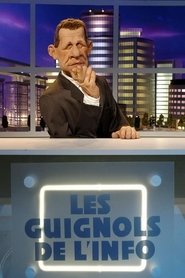
star 8A parody of a newscast, the show is a caricature of the political world, the media, personalities or more generally of French society and the current world.Carte Blanche
1988
Carte Blanche
1988
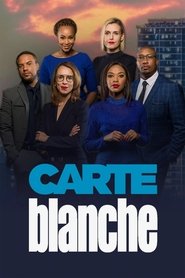
star 5.5Carte Blanche is a South African current affairs investigative series which covers a variety of current affairs topics including Mark Shuttleworth's trip to the moon to the Tsunami disaster to the biggest murder cases being tried in SA courts.The ½ Hour News Hour
2007
The ½ Hour News Hour
2007
star 3The 1/2 Hour News Hour was an American television news satire show that aired on the Fox News Channel. The program presented news stories from a conservative perspective, using a satirical format pioneered by Saturday Night Live's Weekend Update, This Hour Has 22 Minutes, and The Daily Show. The first pilot aired on February 18, 2007, and the second on March 4, 2007. Fox News Channel later purchased 13 more episodes of the show, which started airing on May 13, 2007. The show was cancelled and the final episode aired on September 23, 2007. Cast and crew of the show included Kurt Long, Jennifer Robertson, Manny Coto, and Ned Rice. Longtime Weekend Update anchor Dennis Miller was a regular contributor to the program with his "The Buck Starts Here" segment.Today's Close-Up
1993
Today's Close-Up
1993
A current affairs television programme produced by the Japanese public broadcaster NHK provides cutting-edge information and critical analysis on important issues confronting Japanese lives.Nightline
1980
Nightline
1980
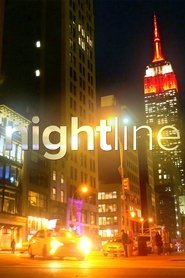
star 5.6Nightline, or ABC News Nightline, is a late-night news program that is broadcast by ABC in the United States, and has a franchised formula to other networks and stations elsewhere in the world. Created by Roone Arledge, the program featured Ted Koppel as its main anchor from March 1980 until his retirement from the program in November 2005. Nightline airs weeknights at 12:37 a.m. Eastern Time, after Jimmy Kimmel Live!. It previously ran for 31 minutes, but in 2011, the program was reduced to 25 minutes. When the program moved to 12:37 a.m. ET, the program was expanded to 30 minutes. In 2002, Nightline was ranked 23rd on TV Guide's 50 Greatest TV Shows of All Time.The Opposition with Jordan Klepper
2017
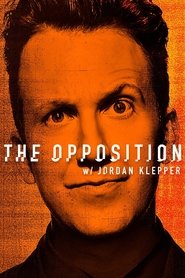
star 5.5A satire of the hyperbolic, conspiracy-laden noise machine that is the alternative-media landscape on both the right and left.Some Good News
2020
Democracy Now!
2001
Democracy Now!
2001
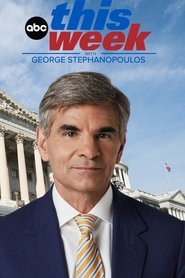
star 6.9A United States daily progressive, nonprofit, independently syndicated program of news, analysis, and opinion.This Week
1981
This Week
1981
star 9ABC's Sunday morning political affairs program, currently hosted by George Stephanopoulos.Tæt på sandheden
2017
Tæt på sandheden
2017
star 7.8Last chance to laugh at the past week before the next one hits you. Comedy show where the week's news and current trends are given the loving but firm treatment by Jonatan Spang.World News Tonight with David Muir
1948
star 6.3ABC World News is the flagship daily evening television news program of ABC News, the news division of the American Broadcasting Company television network in the United States. Currently the weekday editions (going by title ABC World News Tonight with David Muir) are anchored by David Muir. ABC World News has been anchored at various times by a number of other people since its debut in 1953. It also has used various titles, including ABC Evening News from 1970 to 1978 and World News Tonight from 1978 to 2006.CBS This Morning
2012
CBS This Morning
2012
star 4.8CBS This Morning is an American morning television show that is broadcast on CBS. The program broadcasts from the CBS Broadcast Center in New York City. It premiered on January 9, 2012, and airs live from 7 to 9 a.m. Eastern Time Monday through Friday; most affiliates in the Central and Mountain time zones air the show on tape-delay from 7 to 9 a.m. local time. Stations in the Pacific Time Zone receive an updated feed with an updated opening and update live reports. It is the tenth distinct program format that CBS has aired in the morning slot since 1954; it replaced The Early Show, which aired from 1999 to 2012. CBS This Morning, which shares its title with a program that ran from 1987 to 1999, was announced on November 15, 2011 by CBS News management as a "redefining" alternative of hard news and analysis. Norah O'Donnell and Gayle King serve as weekday anchors of the program.Groland
1992
Groland
1992
star 7.7Parodic news programme focusing on the fictional country Groland (full name: Presipality of Groland), airing on French television channel Canal+.The Big Breakfast
1992
The Big Breakfast
1992
star 7.2The Big Breakfast was a British light entertainment television show shown on Channel 4 and S4C each weekday morning from 28 September 1992 until 29 March 2002 during which period 2,482 shows were produced. The Big Breakfast was produced by Planet 24, the production company co-owned by former Boomtown Rats singer and Live Aid organiser Bob Geldof. The programme was distinctive for broadcasting live from former lockkeepers' cottages commonly referred to as "The Big Breakfast House", or more simply, "The House", located on Fish Island, in Bow in east London. The show was a mix of news, weather, interviews, audience phone-ins and general features, with a light tone which was in competition with the more serious GMTV and even more serious BBC breakfast programmes.Romy Award
1990
CMT Insider
2004
Kontant
2005
Kontant
2005
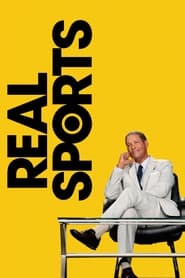
star 8Kontant is the consumer magazine, which every week addresses important issues that affect Danes and their wallets. The editors focus on the consumers' agenda, follow their complaints, come up with good advice, investigate and provide an overview.Real Sports with Bryant Gumbel
1995
star 7.3A monthly sports newsmagazine which was "spawned by the fact that sports have changed dramatically, that it's no longer just fun and games, and that what happens off the field, beyond the scores, is worthy of some serious reporting," according to Bryant Gumbel, the host.