Reality TV Series - Page 18

Face Off
2011
Face Off
2011
star 7.1In this competition/elimination series, special effects make-up artists participate in elaborate challenges for a grand prize and the honor of being Hollywood's next great effects artist.Show Me The Money
2012
Show Me The Money
2012
star 8.2From newcomers to rappers already loved by many fans, all gather to compete against each other in order to pick the best Hip hop entertainer. The one that receives the most votes from the audience takes it all.Little People, Big World
2006
star 6.4Matt & Amy Roloff enlist the help of their four children Jeremy, Zack, Molly & Jacob to help expand the business of Roloff farms. As the kids grow older, the family grows larger and the Roloffs learn how to keep their family relationships strong.Detective Club
2017
Um, Actually...
2018
Um, Actually...
2018
star 9.5Introducing a game show of fandom minutiae one-upmanship, where nerds do what nerds do best: flaunt encyclopedic nerd knowledge at Millennium Falcon nerd-speed.색녀도
2013
Selling Sunset
2019
Selling Sunset
2019
star 6.5The elite agents at The Oppenheim Group sell the luxe life to affluent buyers in LA. Relationships are everything, and that often means major drama.M Countdown
2004
M Countdown
2004
star 2M Countdown, the World No.1 K-POP Chart Show, is broadcast in 13 countries worldwide, including Mnet USA and Japan. Featuring a dazzling lineup of K-Pop stars delivering charismatic performances, spectacular stages, and even online voting for active fan engagement! M Countdown announces the top 10 songs of the week as "MCD's Top 10" by combining weekly album and song sales, online music fan votes, and votes from a panel of music experts. Viewers can directly vote for the winner during the live broadcast, providing a glimpse of the latest K-Pop trends. Since its debut in 2004, M COUNTDOWN has aired over 800 episodes as of 2023. Experience the WORLD NO.1 K-POP Premium Chart Show leading the global K-Pop craze and music trends.GOING SEVENTEEN
2017
GOING SEVENTEEN
2017
star 9.8GOING SEVENTEEN is a variety show by SEVENTEEN. The show is all about SEVENTEEN doing activities, challenges and everything else.YOUTH WITH YOU
2019
YOUTH WITH YOU
2019
star 5Youth With You is a 2019 Chinese male group survival show that premiered on January 21, 2019 on iQIYI. It is presented by Lay Zhang, with Li Ronghao, Jolin Tsai, MC Jin, The8 (Xu Minghao), and After Journey serving as the coaches. The show brought together 100 trainees from different entertainment agencies, and only nine of all trainees were selected to debut through viewers' votes. On April 6, 2019, the final nine contestants debuted as UNINE.The People's Court
0000
The People's Court
0000
star 6.8The People's Court is an American arbitration-based reality court show currently presided over by retired Florida State Circuit Court Judge Marilyn Milian. Milian, the show's longest-reigning arbiter, handles small claims disputes in a simulated courtroom set. The People's Court is the first court show to use binding arbitration, introducing the format into the genre in 1981. The system has been duplicated by most of the show's successors in the judicial genre. Moreover, The People's Court is the first popular, long-running reality in the judicial genre. It was preceded only by a few short-lived realities in the genre; these short-lived predecessors were only loosely related to judicial proceedings, except for one: Parole took footage from real-life courtrooms holding legal proceedings. Prior to The People's Court, the vast majority of TV courtroom shows used actors, and recreated or fictional cases. Among examples of these types of court shows include Famous Jury Trials and Your Witness. The People's Court has hHouse Hunters International
2006
star 6.1This spin-off of the wildly popular House Hunters goes around the globe. Home hunters and their realtors check out all sorts of architectural styles and work through the quirks of buying real estate in other countries.Jae Joong and Friends
2023
Kim Jaejoong hosts numerous stars who wants to be friends with him. With the goal of making 100 friends through the show, he will cook for his guests, get to know them, and hopefully forge new friendships.Ride the Wind 2025
2025
Big Brother
2000
Big Brother
2000
star 3.4100 days, 24-hour surveillance, a container and no contact with the outside world: the residents live together in their new shared flat in a container for 100 days and are under 24-hour camera surveillance. Big Brother sees everything. Big Brother sets the rules. Big Brother is unpredictable.Coulda Been Love
2025
Coulda Been Love
2025
An internet celebrity hosts a dating competition where singles vie for his heart and a hefty cash reward, leading to unexpected twists and romantic drama.奇妙通告日
2024
Power of Love
2022
Power of Love
2022
star 10A group of competitive women and men come together in The Power of Love to find their dream partner. Every week, some contestants win the weekly prize, while others say goodbye to their dreams of love and the house. Emotional moments, surprises, and exciting challenges await in this thrilling season!Star Academy
2001
Star Academy
2001
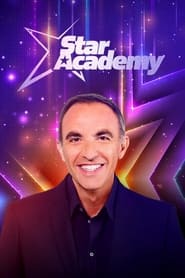
star 5.8Star Academy is a French reality television show produced by the Dutch company Endemol. It consists of a contest of young singers. It spawned an equally successful show in Quebec called Star Académie. It is broadcast on TF1. At the end of each season, selected contestants would go on tour around France, Morocco, Switzerland, Belgium, Tunisia, and other French-speaking countries.The Real Housewives of Orange County
2006
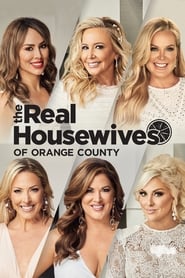
star 5.4A view into the lives of several women and their families who live in one of the wealthiest communities in the country with the viewer taken "inside the gates" to show their lives aren't always perfect.