Talk TV Series - Page 119

Parola (su una data)
2003
Parola (su una data)
2003
Die Jahrzehnte Show
2002
Die Jahrzehnte Show
2002
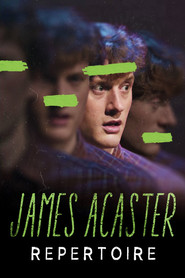
James Acaster: Repertoire
2018
star 8Offbeat comic James Acaster covers the strange, the mundane and everything in between in this collection of four wide-ranging stand-up specials.Zinko
2014
Irresistível
2020
Irresistível
2020
Dutifrí
2007
Feis tu feis
2016
Feis tu feis
2016
Donny & Marie
1998
Donny & Marie
1998
Donny & Marie is an American talk show hosted by Donny and Marie Osmond, that aired in syndication from September 1998 to May 2000 and was produced by Dick Clark. The show had a "house band", featuring Jerry Williams, Kat Dyson, Paul Peterson, and Nick Vincent.Dunja Hayali
2015
Dunja Hayali
2015
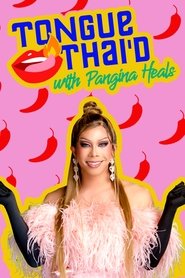
Tongue Thai'd with Pangina Heals
2022
star 9Pangina Heals, star of Drag Race Thailand and RuPaul’s Drag Race UK vs the World takes us on a food tour of Thai Town in Hollywood, CA. She challenges her guests to amp up the spice, from one dish to the next, as they spill secrets over a meal of Thai delicacies. Don’t get burned! Sweat it out with Pangina Heals.라면꼰대 프렌즈
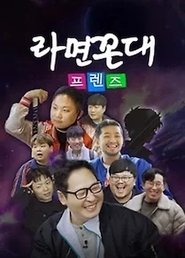
2024
라면꼰대 프렌즈
2024
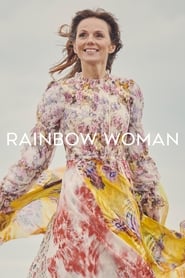
Rainbow Woman
2020
Rainbow Woman
2020
star 7.5Hello you, For the last twenty-five years, we’ve been on an amazing journey together. I want to share something from my heart... something real, something I hope will inspire. Rainbow Woman is my love letter to you. It’s sharing our spirit. I’m taking you on a girl power adventure of discovery. Together, we go up a mountain, down the river and back in time... and with music I wrote, it’ll be a 360 experience, for you, for us, for everybody. Thank you for being there for me. I want to be here with you... for all the Rainbow People. With love, Geri xBar Goens
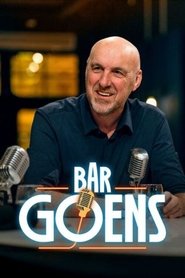
2025
Bar Goens
2025
Four nights a week, Eric welcomes a fascinating mix of athletes, politicians, famous Flemish people and ordinary people with a special story to talk to them live about everything that really matters. But Bar Goens is more than just talking. A café thrives on atmosphere, which is why there is also an outdoor stage. Anything can happen there: from live music and surprising acts to unexpected stunts or spontaneous interventions that give the show that little bit extra. "In Bar Goens, people don't just talk, they also experience it. Relevant, exciting, sharp and on a human scale. Nothing is off-limits, nothing is impossible," says Eric.Inkas Küche
2016
Inkas Küche
2016
Crashletes
2016
Crashletes
2016
star 8NFL superstar Rob Gronkowski, actress Stevie Nelson and comedian Brandon Broady present hilarious fails from the world of amateur sports.The Feed
2014
The Feed
2014
The Feed features three unique and distinctly opinionated hosts, sharing their take on today’s most innovative food trends. Culinary expert Gail Simmons; superstar chef Marcus Samuelsson; and comedian and food writer Max Silvestri anchor a rollicking adventure into the world of culinary and food culture in America. Each episode of The Feed pits the unlikely combination of these three personalities against each other in unconventional food challenges that allow each competitor to show off their unique perspectives on the food world. Viewers are exposed to the most recent food trends as Gail, Marcus and Max take quirky, fun-spirited competition outside the kitchen and onto the streets of New York City.Peep!
1995
Peep!
1995
Conversas Vadias
1990
Conversas Vadias
1990
MeleTOP
2012
MeleTOP
2012