Talk TV Series - Page 165

Happy Endings with Bruno
2025
star 10RuPaul’s Drag Race Pit Crew member and long-time masseur Bruno Alcantara lays down special guests on his table for a full body massage interwoven with intimate and emotional conversations which answer the question: "What does my Happy Ending look like?" Combining the soothing elements of massage ASMR with thoughtful and often vulnerable interviews, and a rare glimpse into the personal journeys of its guests.Fake Podcast
2023
Fake Podcast
2023
star 9Fake Podcast is a parody comedy web series launched in 2023 by Satish Ray and his team. Presented in a mock podcast format, the show humorously mimics celebrity interviews, influencer culture, and trending talk shows through satire and improvisation. Each episode features Satish Ray portraying quirky characters, alongside Abhishek Singh as host Prashn Kumar, whose sharp timing adds to the chaos. Written by Satish Ray, Abhishek Singh, and Nitesh Tiwari, the series delivers witty dialogues and pop-culture satire. With crisp editing, a studio-style setup, and fast-paced humor, Fake Podcast playfully spoofs modern media while offering pure entertainment on Satish Ray’s YouTube channel.Botched: Post Op
2015
Botched: Post Op
2015
Dr. Nassif, Dr. Dubrow and his wife Heather take a light-hearted and sometimes comedic look at some of the cases highlighted in that evening's episode of "Botched."Olympico
2012
Olympico
2012
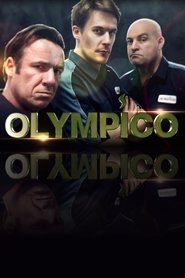
Is Leigh Hart the right man for the Olympics? The Olympico team head to London and get to grips with their new TV surroundings. They've got to establish a clear signal back to NZ, shoot some stories and interview top athletes. From a camper van.Love Is Calling
2019
Love Is Calling
2019
Hosted by Rafael Araneda with Ana Patricia Gámez as co-host, the dating reality show help candidates from the U.S. and Puerto Rico find their potential soulmates. Roberto Hernández joins the show as love correspondent, following the couples closely on their dates, sharing everything that happens behind the camera.Front Room
1999
Front Room
1999
Interactive show presented by Jason Bradbury in which viewers exchange views and ideas.처음 만나는 인물 한국사
2024
처음 만나는 인물 한국사
2024
Zendeh Rood 98
2019
Zendeh Rood 98
2019
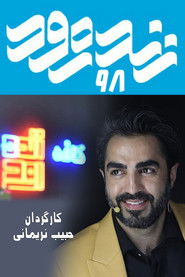
star 8Zendeh Rood is an Iranian television program with a cultural and social focus that is broadcast live on Fridays on two Iranian national channels.JR Entrevista
2009
JR Entrevista
2009
Detail: From The Mind of Daniel Cormier
2019
Reigning UFC heavyweight champion Daniel Cormier breaks down the performances of today’s top UFC athletes.HAYIK Show
2023
HAYIK Show
2023
"HAYIK" stands for "How are you?" in Korean. This is a live podcast introducing interesting stories of settling down in Korea from the perspectives of foreigners and K-influencers. With different topics every week such the day to day life and current events in South Korea, it’s perfect to sit back and listen to! Tune in every Thursday at 2 PM KST.中国文艺
1996
中国文艺
1996
Livekommentar
2019
Livekommentar
2019
neo Tropic Tonight
2024
neo Tropic Tonight
2024