It's called G'DAY and it's the ironic pre-evening show on LA7 hosted by Geppi Cucciari with guests, current affairs and satire to understand, with the complicity of viewers, what Italians know about what they think. And laugh about it.
François Morency and three guests take a closer look at some words and expressions that have caught their attention for the right or wrong reasons. Comedy acts, funny interviews, hilarious sketches, juicy clips . . . whether they're playing with famous quotations, digging up treasures from social media or revisiting favourite lines from movies or Quebec TV, everything's fair game when it comes to celebrating the best and the worst in the spoken and written word.
Big World Café was a music show on British television. Broadcast on Channel 4 in 1989, it was presented by Mariella Frostrup, Eagle Eye Cherry and Jazzie B.
It was produced by Andrea Wonfor, who had previously worked on The Tube.
During the programme's second series, Andy Kershaw was recruited to report on world music.
Artists who appeared on the show included Les Négresses Vertes, New Order, Prefab Sprout and Wet Wet Wet.
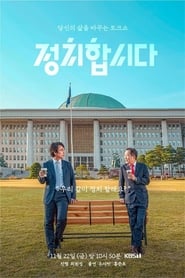
Masato Sakai gives a speech on the theme "XX ruins love" in the setting of a speech meeting by the leader of the political party "Love New Party". During the speeches, the offstage first secretary of Sakai's party, Tsukaji Muga, interjects a few quips and criticisms.
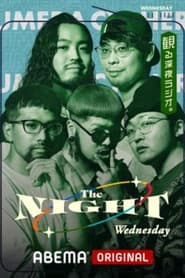
Each episode features one guest who performs songs for the audience, collaborates with Kurosawa and Nakanishi, and discusses their musical roots. Another highlight of the program is the spicy sessions with the studio band that arise from the flow of conversation.
Join us as we say “Hello! Hello! Hello!” to the queens of the latest season of RuPaul’s Drag Race! Get an in-depth look at the queen's audition tapes and find out what the cast really thinks about each other when the library is opened.
This hourlong show is an edited version of the previous day's live video chat on TMZ, which features site founder Harvey Levin and others discussing the day's celebrity and entertainment news. Besides news, it provides a candid look at how the gossip site operates, bringing viewers into the site's newsroom, where the daily chats take place. "TMZ Live" allows viewers to present their opinions on the featured topics through social media, phone calls and video chat.
Healing Camp, Aren't You Happy, or simply known as Healing Camp, is a South Korean talk show which began airing on July 18, 2011 on Monday nights at 11:15 pm KST on SBS. The program is known to have created a new genre of talk shows focused on "healing", which have become the trend of talk shows in 2012 and 2013. Healing Camp is also known for its superior casting capabilities, inviting top actors and actresses, as well as politicians, athletes, and other influential people who are not easily seen on entertainment programs.
Backchat is an entertainment show hosted by Jack Whitehall, but he's brought his father, Michael, along too. Each week Jack will be inviting big celebrity names along for a chat and sketches. Unfortunately his dad will also be throwing in his own observations and questions, as well as giving Jack a telling off for his interview manner. Join the fun as Whitehall junior and senior meet some brilliant celebrity guests in this very unique new comedy show.
A show that interviews foreigners living in Japan, exploring their reasons for moving and staying. Each episode features a foreign guest who shares their personal journey and experiences, highlighting Japan’s appeal from an outsider’s perspective.
"Bled Music" is an Algerian musical television program broadcast on ENTV between 1991 and 1992. directed by Aziz Smati and presented by Kamel Dynamite, Farid Rockeur and Samia Benkherroubi. The show, with its irreverent tone, was very popular and had a significant impact on the Algerian music scene, allowing the emergence of many artists including Chaba Fadela, Cheb Sahraoui, Cheb Anouar and Mohamed Lamine. A ranking of music videos by popularity and relied on fans sending their votes by mail. At the end of the 1980s, unrest broke out in Algeria which led the country into a Black Decade. At this time, fundamentalist groups attempted to ban music and most other forms of artistic expression. The show continued to air despite death threats, but on February 14, 1994, Aziz Smati was shot in both legs by a young extremist, which ultimately led to the end of the show .