War Politics TV Series - Page 112

Battle History of the U.S. Army
2002
Battle History of the U.S. Army is a 2002 documentary series by Lou Reda Productions for The History Channel, offering a comprehensive overview of the United States Army's combat history. The series covers conflicts from the Revolutionary War to modern times, emphasizing the Army's development and its role in defending democracy. Made in cooperation with the U.S. Army, with access to their historians and battle archives, which are the oldest and most extensive of all of our armed services.War Junkies
2023
台湾·1945
2015
台湾·1945
2015
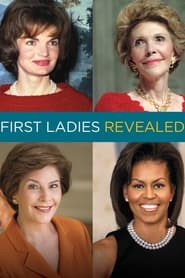
First Ladies Revealed
2017
See how our first ladies have defined presidencies, reimagined the White House, and left their mark on American history.坐标
2025
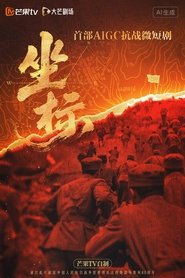
坐标
2025
China’s first fully AIGC historical drama, where the battle of real vs. fake maps reveals the depths of human faith and ambition.戚继光
2014
戚继光
2014
Putins Agenten
2026
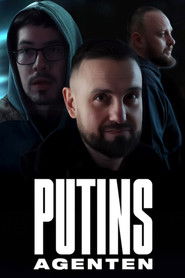
Putins Agenten
2026
star 10This three-part investigative documentary follows former members of Russian intelligence who reveal how the Kremlin’s spy networks operate. Through insider testimony and expert analysis, it examines recruitment methods, covert missions, cyber operations, and the mechanisms used to silence opposition and project influence abroad under Vladimir Putin’s rule.The Devil's Confession: The Lost Eichmann Tapes
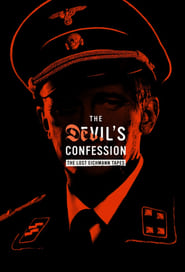
2023
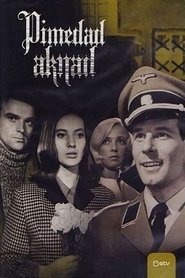
star 5.2After the World War II, architect of the Final Solution, Adolf Eichmann, fled to Argentina. While in hiding, he did a series of taped interviews detailing his role in Nazi atrocities. Now, for the first time ever we can hear The Devil's Confession.Pimedad aknad
1969
Jurus Halilintar
2004
Photos That Changed The World
2019
Special series looking at the defining moments of the last century, caught on camera. Hear the stories behind world-changing photos from photographers, eyewitnesses, reporters, historians and more.Jaro 45
2015
Jaro 45
2015
The Unfinished Time: Russia in the 90s
2024
From the collapse of the Soviet Union to Putin’s rule: how Russia became free and what it did with this freedom. The story of Boris Yeltsin and his times, told by his comrades, family, friends, and foes.The Great War
2007
The Great War
2007
The Great War is a CBC television film documenting Canadian participation in the First World War. The film stars Justin Trudeau and was shown on Canadian television during the 90th Anniversary of the Vimy Ridge battle, airing in two parts on April 8 and April 9, 2007. The Fox website included the following notice seeking people to participate in the making of the film: Did your great-grandfather take Vimy Ridge? Did he play a part in the three-month battle at Passchendaele? Did he break through the German line at Amiens? For a landmark film to mark the 90th anniversary of the First World War, the CBC is recruiting 300 descendants of those who went to war between 1914 and 1918. The descendants will walk in the footsteps of their ancestors and take part in massive battle recreations.Partier i brand
2022
Partier i brand
2022
Iraq, Destruction of a Nation
2021
star 8.8The evolution of the former Saddam Hussein's Baathist regime, from the start of the 1980's Iran-Iraq war to the excalation of the ISIS/Daesh insurgency. in the 2000s.