War Politics TV Series - Page 41

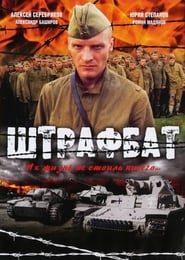
The Penal Battalion
2004
The Penal Battalion
2004
star 7.2Drama of the penalty parts of political prisoners, who fought on the Soviet fronts.The Passing Bells
2014
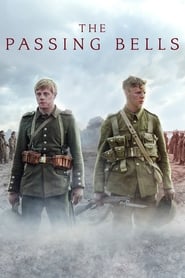
The Passing Bells
2014
star 7.6At the outbreak of World War I, two teenage boys - one German and one British - defy their parents to sign up. An epic historical drama spanning the five years of the First World War, as seen through the eyes of two ordinary young soldiers.Tres Caínes
2013
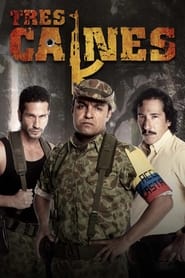
Tres Caínes
2013
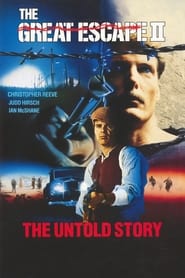
star 7.3The story follows the Castaño Gil family, a prosperous cattle ranching family marked by the kidnapping and murder of patriarch José Castaño by the guerrilla. This event triggers the decision of brothers Fidel, Vicente, and Carlos to form a self-defense army to fight the guerrillas, intensifying the armed conflict in Colombia. However, what seemed like a unified struggle is threatened by betrayal.The Great Escape II: The Untold Story
1988
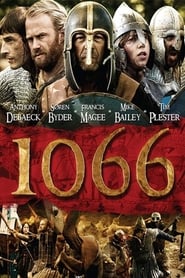
star 5.7A former POW leads a special task force to hunt down the culprits responsible for carrying out the orders to murder 50 of the 76 escapees from Stalag Luft III.1066: The Battle for Middle Earth
2009
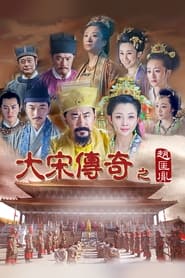
star 7.1In this blend of historical drama and original source material, the story of this decisive year is remagined, not from the saddles of kings and conquerors, but through the eyes of the ordinary men who fought on their behalf.The Legend Of The Song Dynasty: Zhao Kuang Yin
2015
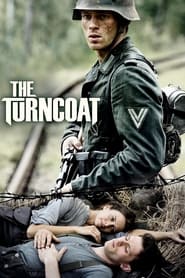
Zhao Kuangyin was the founding emperor of imperial China's Song Dynasty, reigning from 960 until his death. During his reign, he conquered the states of Southern Tang, Later Shu, Southern Han and Jingnan, thus reunifying most of China proper and effectively ending the tumultuous Five Dynasties and Ten Kingdoms period. He was succeeded by Emperor Taizong, his younger brother who possibly murdered him for the throne.The Turncoat
2020
The Turncoat
2020
star 6Summer 1944. Walter Proska is about to return to the Eastern Front when his train is blown up by partisans. Together with a scattered bunch of German soldiers, cut off from the front, he awaits certain death while the commands of his superior Willi Stehauf are becoming more and more senseless and inhuman.Family Album
1994
Family Album
1994
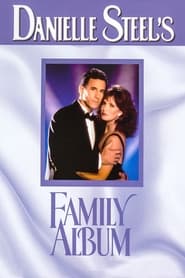
star 3.9Family Album, also known as Danielle Steel's Family Album, is a 1994 television film directed by Jack Bender. The film, which was released in two parts, is based upon the 1985 novel of the same name written by Danielle Steel. The drama centers on the life chronology of a Hollywood actress who becomes a successful film director in an era where directing was dominated by men.Tony Robinson's World War 1
2015
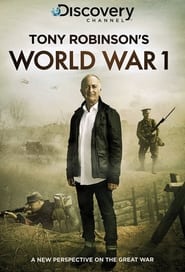
star 6.5Sir Tony Robinson, the history presenter and former Black Adder star, tells the story of the Great War. How it started, how it changed the world and how it finished with a 100 day flourish of military brilliance, which finally put an end to four years of incompetence and slaughter. With the aid of hundreds of amazing archived 3D images of the Great War which chronicle WWI from start to finish and breathe new life into the story, Tony Robinson's World War I allows modern audiences to see the war in a completely new way. Robinson will also show how the Great War changed British people for generations to come – liberating large portions of the working class, powering the rise of the Labour party and breaking the old ties of service to the aristocracy.Liberation
1994
Liberation
1994
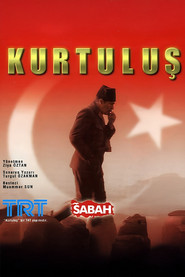
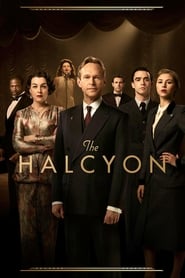
star 7.8Epic independence fight in 21st century. Turkish independence war against occupying forces (Greece, England, France, Italy) in her land.The Halcyon
2017
The Halcyon
2017
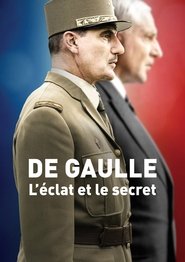
star 6.3The story of a bustling and glamorous five star hotel at the centre of London society and a world at war.De Gaulle, l'éclat et le secret
2020
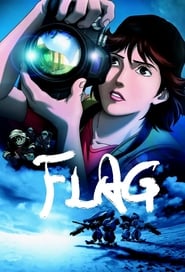
star 7.1Explores the life of General De Gaulle, from the Appeal of June 18, 1940, to his departure from power in 1969. A dive into the military and political career of De Gaulle and an inside portrait of his private life.Flag
2006
Flag
2006
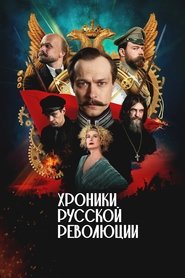
star 5Saeko Shirasu is a 25-year-old war front-line photo-journalist who became a celebrity after taking a picture of civilians raising a makeshift UN flag in war-torn Uddiyana. The image then became an instant symbol for peace. However, just before the peace agreement is achieved, the flag was stolen by an armed extremist group in order to obstruct the truce. The UN peacekeepers decide to covertly send in a SDC (pronounced as "Seedac"—Special Development Command) unit to retrieve the flag. Because of her connection with the "Flag" photo, Saeko Shirasu was offered the job of following the SDC unit as a front line journalist. Among the SDC unit's equipment is the HAVWC (High Agility Versatile Weapon Carrier—pronounced "havoc") mecha armored vehicle.Chronicles of the Russian Revolution
2025
star 6.5The history of the tragic events of the October Revolution. The period from 1905 to 1924 was a difficult epoch that influenced the fate of people not only in Russia, but also the whole world in the XX century.The Excavator
1996
The Excavator
1996
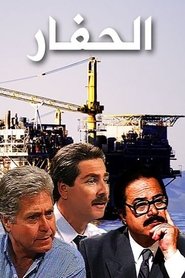
As the Israeli forces occupy Sinai prior to the War of Attrition, they use an excavator to dig deep in the land, under the pretext they're searching for oil. When the Egyptian authorities discover their true intentions, they try to stop the excavator from reaching Bab El-Mendab.Osmanlı Tokadı
2013
Once Upon a Time in Cyprus
2021
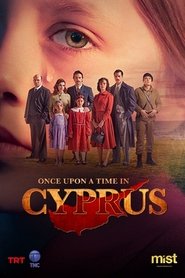
star 9.7The series takes place during the period of Bloody Christmas and depicts attacks carried out on Turkish Cypriots. It focuses on the activities of the Greek Cypriot nationalist group EOKA-B. The series is based on the island-wide violence that led to the civil war between Turkish and Greek Cypriots that ended in 1974.Time of Death
2024
Time of Death
2024
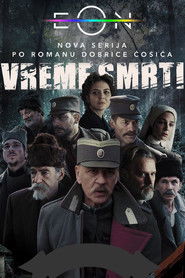
star 9The WWI is the focus of the tetralogy novel "Time of Death". It paints a broad picture of time, events, and human fates. Other than members of the Katic family, many historical individuals are among the primary heroes.