War Politics TV Series - Page 56

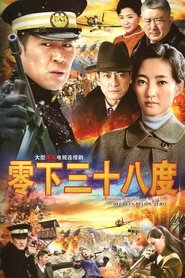
零下三十八度
2013
零下三十八度
2013
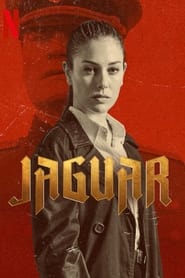
Jaguar
2021
Jaguar
2021
star 7.1In 1960s Spain, a Holocaust survivor joins a group of agents seeking justice against the hundreds of Nazis who fled to the nation to hide after WWII.Apocalypse: D-Day
2024
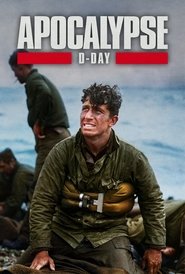
Apocalypse: D-Day
2024
star 8.26 June 1944. A titanic fleet launched an assault on the beaches of Normandy. Objective: to liberate Europe from Hitler's yoke. Drawing on the lessons learned from the Dieppe raid in August 1942, the mission was a spectacular success.Kings of Sects
2005
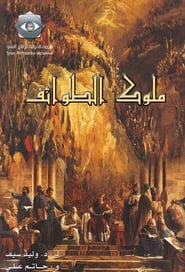
Kings of Sects
2005
star 5.6The series follows the rupture of Andalusia into many warring states, which allowed the northern Kingdom of Castile to expand its borders and take control.Turning Point: The Vietnam War
2025
star 7.3This thought-provoking documentary series examines the harrowing consequences of the Vietnam War, from the Gulf of Tonkin incident to the fall of Saigon.토벌
0000
토벌
0000
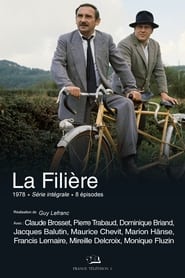
The Line
1978
The Line
1978
star 7.5The series follows a group of Allied pilots who crashed in occupied territories during WWII. A network of civilians and Resistance fighters, "La Filière", is in charge of helping them pass from France to Spain so they can avoid capture.战鼓擂
2015
战鼓擂
2015
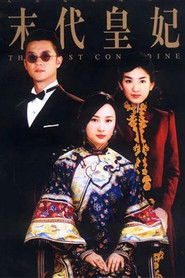
末代皇妃
2004
末代皇妃
2004
Tutur Tinular
1997
Tutur Tinular
1997
star 9Tutur Tinular is an Indonesian historical-drama TV series, produced by Genta Buana Pitaloka (now Genta Buana Paramita. It was first aired on ANTV in October 25,1997 (Season 1) and Indosiar in 1999 (Season 2).Time of Death
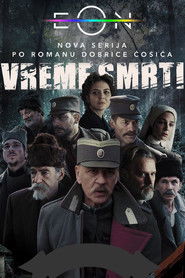
2024
Time of Death
2024
star 9The WWI is the focus of the tetralogy novel "Time of Death". It paints a broad picture of time, events, and human fates. Other than members of the Katic family, many historical individuals are among the primary heroes.Смерш 3
2025
Смерш 3
2025
Unconquered City
1982
Unconquered City
1982
star 8In April 1941 Germans occupied Zagreb, the capital of Croatia, and installed a Quisling government. This series, partly based on true events and persons and partly on fiction, covers the activities of the Resistance movement, led by Communists.执着的追踪
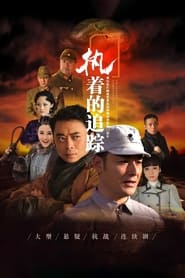
2017
执着的追踪
2017
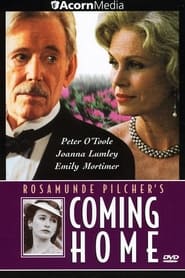
Coming Home
1998
Coming Home
1998
Alone and without her parents, Judith Dunbar spends her school days in a boarding school. When her friend Loveday invites her to Gut Nancherrow one day, it is love at first sight for Judith. The elegant lady of the house Diana, her husband Colonel Cary-Lewis and Loveday's siblings Edward and Athena immediately fall in love with her and treat her like family. But the outbreak of the Second World War put an end to the idyll on Nancherrow overnight. A long, thorny road lies ahead of Judith until she finally finds happiness in a family of her own...暗哨
2010
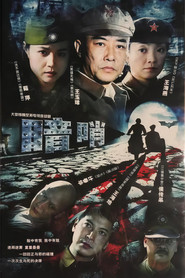
暗哨
2010
Gnat
1980
Gnat
1980
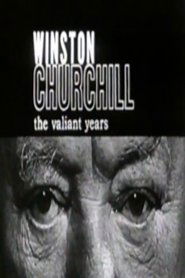
star 8The story of the dramatic relationship between a father and son. The backdrop is the struggle of Italian patriots against the Austrian occupiers for the unification and independence of Italy.Winston Churchill: The Valiant Years
0000
star 8.5The Valiant Years was a documentary produced by ABC based on the memoirs of Winston Churchill, directed by Anthony Bushell and John Schlesinger, narrated by Gary Merrill and with extracts from the memoirs voiced by Richard Burton. It ran in the United States from 1960 to 1961, in 27 30-minute episodes and was broadcast in the UK by the BBC from February to August 1961. Its incidental music was written by Richard Rodgers, who won an Emmy for it in 1962. Scriptwriters included Victor Wolfson a dramatist and writer, Quentin Reynolds, William L. Shirer an American journalist, war correspondent and historian, and Richard Tregaskis. One of the program's London-based producers was actor Patrick Macnee, just prior to his being cast as secret agent John Steed in the long-running cult TV series The Avengers.,