War Politics TV Series - Page 92

边关烟雨
1996
边关烟雨
1996
岛城风云
2011
岛城风云
2011
钢铁是怎样炼成的
2000
钢铁是怎样炼成的
2000
Zero-sen Hayato
1964
Trouble
2017
Trouble
2017
A documentary series offering in-depth anarchist analysis on a range of topics, themes and spaces of resistance. Intended to be watched in groups.Urix
0000
Urix
0000
star 7Urix is a foreign affairs television newsmagazine aired Monday to Thursday night on the Norwegian television channel NRK2, a subsidiary channel of the Norwegian Broadcasting Corporation. The first show aired on 2 September 2002, and is produced by the same crew as Dagsrevyen. The title is a play on the word Utenriks, meaning "foreign". The current presenters are Christian Borch and Annette Groth. Former presenters include Bjørn Hansen, Sigrun Slapgard and Gunnar Myklebust.Mao
2024
Mao
2024
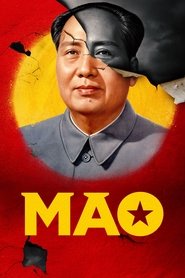
star 7.7The People’s Republic of China now plays a central role in global politics, economics and diplomacy – more than it ever has before. Its president, Xi Jinping openly espouses the model forged by former Chairman, Mao Zedong, known as the Great Helmsman. But what do we really know about Mao? And how does his legacy relate to Xi’s ‘China Dream’? This 3-part documentary series explores Mao Zedong, his beliefs and his methods. It shows how these have shaped Xi’s philosophy and the reality of today’s China. Mao had set China on the road to true sovereignty, freeing it from the humiliation of foreign domination. Xi is now completing that journey towards the strong Middle Kingdom and cultural predominance that Mao aimed for – while sweeping under the carpet the unthinkable victims and costs of Mao’s rule. The story arc of Mao’s astonishing biography provides varied and profound insights into the ideals, strategies and ambitions of today’s People’s RepubTucker Carlson Originals
2021
star 8.3Join Tucker Carlson and his team as their cameras take you inside the issues for a new documentary news magazine, ‘Tucker Carlson Originals’Ustura Kemal
2012
Buried Secrets of WWII
2019
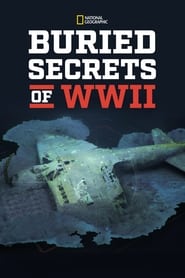
star 6.2Remote sensing techniques tell the stories of WWII battles and campaigns, the details of which have been lost in the fog of war, misinterpreted or overtaken by the landscape.Redbad - The Legend
2020
The Best Time
2007
The Best Time
2007
In post-war Shanghai, in 1945, fighter pilot Tang Teng and Qi Pao saleswoman Shen Ying fell in love. He would do anything to stay with her, even being court marshaled for not returning to the troop. He was arrested and sentenced to death. When a family friend, Ji Wen, learned of his fate, she saved him and smuggled him to Hong Kong. Shen Ying thought he was dead and resigned to marry a man who could help her support her family. However, when the expert tailor, Lu Xiao Mao, revealed that Tang Teng was alive in Hong Kong, she dissolved the engagement and went to Hong Kong. What she found there was not a reunion but a wedding between Tang Teng and Ji Wen.Karbala
2023
Karbala
2023
Convoy: War Of The Atlantic
2009
star 8The story of the Convoys is a tale of compelling drama, full of bravery and tragedy. It takes us into the lives of hundreds of thousands of unheralded men whose incredible everyday courage, played out in the cruel seas and cold skies of the North Atlantic changed the course of the war.过界
2017
过界
2017
Hacı
2006
Hacı
2006