Animation TV Series - Page 464

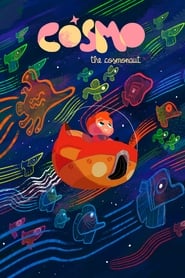
Cosmo - The Cosmonaut
2024
Cosmo is an ordinary boy who would love to have a pet, but his building regulations do not allow it. Thus, he embarks on an intergalactic adventure in search of a creature with whom he can share his bunk bed and teach him to jump through flaming arcs.英俊又可爱 动态漫
2016
英俊又可爱 动态漫
2016
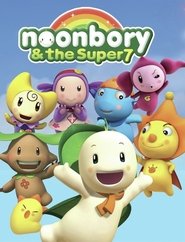
Noonbory and the Super Seven
2009
star 10Noonbory and the Super Seven is an animated television series produced by Cookie Jar Entertainment.Tish Tash
2020
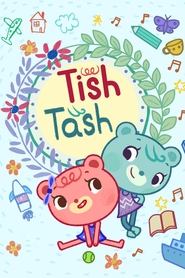
Tish Tash
2020
star 6Follow the adventures of a young bear called Tish, her bear family and her larger-than-life imaginary friend Tash, as they learn about the world around them.The Diary of Our Days
2018
star 7Web shorts focusing on each of the 22/7 idols in normal everyday life.トレインヒーロー
2013
トレインヒーロー
2013
Edmond and Lucy
2022
Edmond and Lucy
2022
Frogger
1983
Frogger
1983
Frogger is an ace reporter of the swamp who works at The Swamp Gazette. He and his friends Shellshock "Shelly" Turtle and Fanny Froggo out in search of crazy stories to publish in the newspaper. Part of CBS "Saturday Supercade".Beached Az
2009
Beached Az
2009
Unable to move, the whale is subjected to often pointless but always comical conversations with a host of passing characters.Finley the Fire Engine
2007
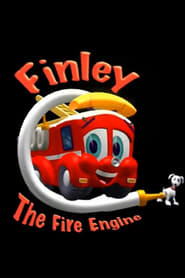
star 7Finley the Fire Engine is a CGI children's cartoon series produced by Balley Beg animation studios in Douglas, Isle of Man. It is about the talking vehicles in a fictional town called Friendlyville. Each episode has a theme: for example, episode 4A's theme is "wearing spectacles is no reason to be embarrassed".Squishy! Black Clover
2019
star 6.1In a world where magic is everything, Asta, who is the only person who can't use magic, and the magical genius Yuno go all out to become the Wizard King.RollBots
0000
RollBots
0000
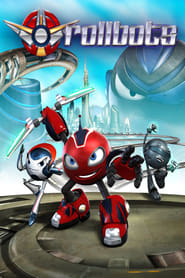
RollBots is an animated television series created by Michael Milligan and produced by Amberwood Entertainment. The TV show premiered in Canada on YTV on February 7, 2009, and in the United States on The CW4Kids on September 19, 2009. It's run aired until June 5, 2010.The Mighty Heroes
1966
The Mighty Heroes
1966
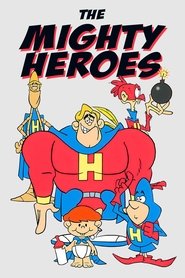
star 6.8The Mighty Heroes was an animated television series created by Ralph Bakshi for the Terrytoons company. The original show debuted on CBS, on October 29, 1966, and ran for 1 season for 21 episodes. The series is set in Good Haven, a city that is continually beset by various supervillains. When trouble occurs, the city launches a massive fireworks display to summon a quintet of high-flying superheroes into action.Die Ketchup-Vampire
1991
Die Ketchup-Vampire
1991
Baby Bus
2019
Baby Bus
2019
Piacevole! My Italian Cooking
2017
star 4.8High-schooler Morina Nanase has begun working as a part-timer in an Italian restaurant, Trattoria Festa. As she encounters various quirky co-workers, such as their manager, the child prodigy chef Maro Kitahara, and unique cuisines, she begins to grow as a person.The Secret World of Og
2006
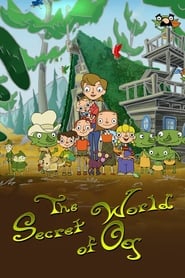
The Secret World of Og is a children's adventure about 4 children who venture into an underground cavern beneath their playhouse to look for their lost baby brother. There, they discover a land of little green people who are enamored by the world above but won't allow anyone to leave their cavern for fear they might "tell".