Animation TV Series - Page 475

Molierissimo
1989
Molierissimo
1989
Wide-Eye
2003
Wide-Eye
2003
Wide Eye is an owl who lives in the tallest tree in the forest with his young son, Little Hoot and his sidekick, Flea. Wide Eye is fatherly, gentle and reliable. He mostly watches over all the animals to make sure they are all safe and happy and speaks in a deep voice.Agaton Sax
1972
Agaton Sax
1972
Doctor Who: Real Time
2002
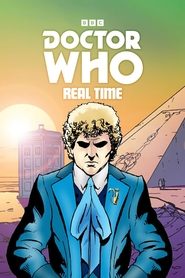
star 8The Doctor and his companion, Evelyn, investigate a series of mysterious disappearances on the planet Chronos.Pil's Adventures
2025
Pil's Adventures
2025
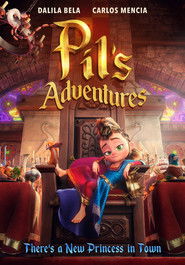
Follow 'Pil', a clever and agile little girl. She is a true rebel, as adept at leaping from rooftop to rooftop as she is at dressing up as a princess. In the medieval town of Roc-en-Brume, she valiantly watches over the inhabitants with the help of Crobar, Rigolin, and her three tame weasels. Bandits to catch? Pil takes care of them! A tyrannical nobleman who mistreats his subjects? She teaches him a lesson! A mystery linked to an ancient legend? She leads the investigation!Good Killer
2023
Good Killer
2023
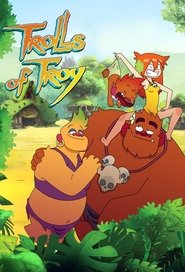
Trolls De Troy
2013
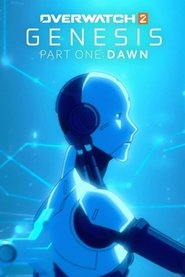
Genesis
2023
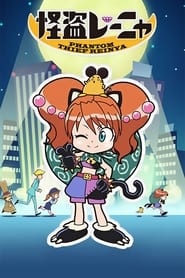
Phantom Thief Reinya
2010
Phantom Thief Reinya
2010
star 2Reinya appears to be an ordinary girl working at a convenience store but that is nothing but a disguise for her secret identity as Phantom Thief Reinya. Together with her assistant Chūtarō in their secret hideout right below the local convenience store, Reinya hatches plans to steal various treasures made of gold. They face an incompetent trio of a perverted police inspector, a policewoman who is a natural airhead, and a detective totally infatuated with Reinya, all of them in a police station right beside Reinya's convenience store.The Tiny Bunch
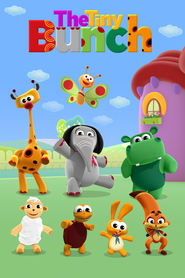
2017
The Tiny Bunch
2017
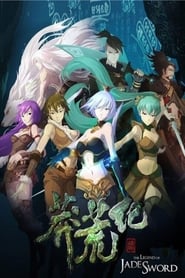
star 10A lovable series that is all about friendship. Baby butterfly and his animal friends remember fun times they had together, like the day they went to the beach, the day they did magic tricks, or the day they played in a band! Together they manage to overcome any difficulties because they know that staying friends is the most important thing of all.The Legend of Jade Sword
2015
Fate had never been kind to Ji Ning. Wracked by illnesses and infirm his entire life on Earth, Ning knew early on that he would die as a teenager. What he didn’t know was that there really was such a thing as life after death, and that the universe was a far larger place than he thought. A lucky twist of fate (one of the few in Ning’s life) meant that Ning was reborn into a world of Immortals and monsters, of Ki Refiners and powerful Fiendgods, a world where Dynasties lasted for millions of years. A world which is both greater and yet also smaller than he ever could imagine. He would have the opportunity to join them, and in this life, Ning swore to himself, he would never let himself be weak again! The Era he was born into was a Desolate one, but Ning would make it his era.The Way Things Work
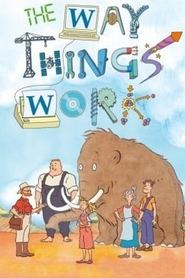
2004
The Way Things Work
2004
star 7.4The Way Things Work was a short-lived television series based on the best-selling book of the same name by David Macaulay.SuperKitties: Su-Purr Adventures (Shorts)
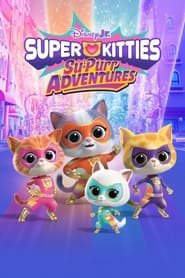
2024
Join the SuperKitties as they show off their cat-tastic gadgets, superhero skills, and kitty kindness in these treat-sized shorts.Shasha & Milo
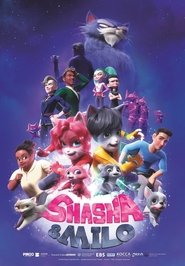
2023
Shasha & Milo
2023
star 9.5Shasha the cat and Milo the boy try to balance being middle-schoolers with their heroic destiny: protecting their home from the villainous cat Luca.Xuxinha
1998
Xuxinha
1998
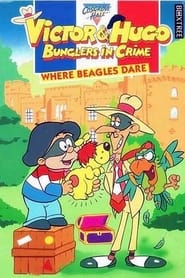
Victor & Hugo, Bunglers in Crime
1991
star 7.7Victor and Hugo, Bunglers in Crime is an animated series made by Cosgrove Hall for Thames Television and screened on CITV from 6 September 1991 to 29 December 1992 and is a spin off from Count Duckula. The series centres on the exploits of two bumbling French criminals - the eponymous brothers of the title. Despite referencing the French author Victor Hugo in their names, neither brother was particularly intelligent. The plot of each episode dealt with Victor and Hugo and their English-based business "Naughtiness International" being hired by crime figures to steal something. Victor would come up with a "meticulous plan" to achieve this goal, which was routinely botched by Hugo. The episodes would traditionally end with the brothers imprisoned.Stewie
0000
Stewie
0000
After getting the boot from his old preschool, Stewie Griffin is forced to enroll in a new one that's not exactly top-of-the-line. Stewie’s miserable, the other kids are miserable, and even the turtle is miserable… until Stewie begins rolling out his trusty array of devices to take them anywhere in space and time, turning every boring day at school into an insane and surreal adventure.The Vermilion Mask
0000
The Vermilion Mask
0000
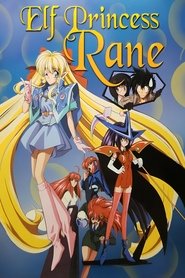
The mask brings calamity. The mask revels in slaughter. The mask has a will of its own... Pelle, a traveling mask merchant, possesses the ability to craft mysterious masks that give its wearers unique powers. In a city shrouded in an eerie atmosphere, he encounters Sonah, a mysterious young girl. As revelations unfold and inner conflicts arise, a young boy takes his first steps forward! Immerse yourself in a thrilling mask battle fantasy!Elf Princess Rane
1995
Elf Princess Rane
1995
star 3.3Fast-talking, reckless, slightly dense treasure hunter Gou has vowed to find the legendary Treasure of Salamander. Searching for it he meets Rane, a fairy from another world, who is looking for the Treasure of Four Hearts. Gou's childhood friend and well-off next door neighbour Mari is frustrated with Gou running after treasures, but befriends Lean another fairy, who also happens to be a witch wanting to kill Rane. And if that was not enough, Gou also has to deal with his triplet older sisters, Kazuki, Yuhki and Saki — a girl group, when not working on their daytime jobs. Gou and Rane's treasure hunt messes with a secret project led by Mari's father though, and it turns out Salamander is not what Gou thought it was in the first place...Zorro: Generation Z
2006