Comedy TV Series - Page 474

Swerved
2015
Swerved
2015
star 7.2WWE teams up with the Director of Jackass and Bad Grandpa, Jeff Tremaine, to give you the hilarious original series, Swerved.Drop Dead Diva
2013
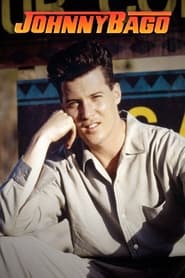
Johnny Bago
1993
Johnny Bago
1993
star 8Johnny Bago is a short-lived television series that aired in the summer of 1993. It stars Peter Dobson as ex-con Johnny Tenuti who, after being set up a second time, travels across America in a Winnebago under the name Johnny Bago to escape mobsters, cops and his former wife/parole officer.Hot Metal
1986
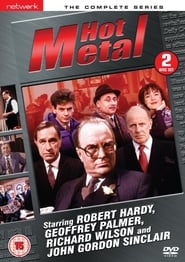
Hot Metal
1986
star 5.4Hot metal is a London Weekend Television sitcom about the British Newspaper industry broadcast between 1986 and 1988. The daily crucible, the dullest newspaper in Fleet Street, is suddenly taken over by media magnate Terence "Twiggy" Rathbone. Its editor Harry Stringer is 'promoted' to managing editor, and is replaced in his old job by Russell Spam. Spam then takes the paper shooting downmarket and turns the crucible into a sensation seeking scandal rag, very much in the style of the British tabloids of the 1980s. He is helped along by his ace gutter journalist, Greg Kettle, who intimidates his tabloid victims by claiming to be "a representative of Her Majesty's press" and produces stories such as accusing a vicar of being a werewolf. Throughout the first series, a running plot involved cub reporter Bill Tytla gradually uncovering an actual newsworthy story that went to the very heart of government. Written by David Renwick and Andrew Marshall, it is very much a continuation in style from their previous sitcom WhKamp Jeroom
2024
The Middleman's Love
2023
The Middleman's Love
2023
star 7.4Always the middleman, Jade expects nothing from love—until intern Mai turns out to be looking at him, not past him.Open Bo
2023
Open Bo
2023
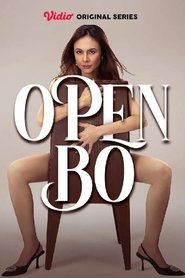
star 2.3A geeky guy who writes doom soap operas meets a mistress called by an official. Unexpectedly, the terror of the official's wife actually made them close!We Need Answers
2009
We Need Answers
2009
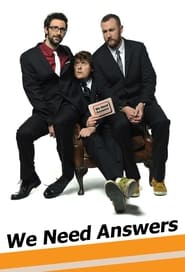
star 8We Need Answers is a British television panel game presented by comedians Mark Watson, Tim Key and Alex Horne. The show features a pair of celebrities answering questions which have previously been texted in by the public, or the audience, to 63336, a text message service.SCTV Network 90
1981
SCTV Network 90
1981
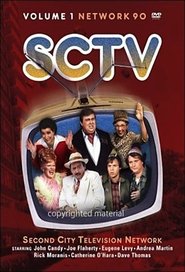
star 8.3After a successful Canadian run as Second City TV on Global and SCTV on CBC, the cast packed up and moved to America (theoretically) when NBC offered them a timeslot under the title SCTV Network 90. With them, they brought their unique, quirky characters, their personalities, and the shows they had appeared on. Dick Blasucci had begun writing for the cast in their second series, SCTV, and joined them here, serving as a recurring straight man for the characters. Tony Rosato and Robin Duke wrote scripts at the beginning of the show as they had before, until quickly leaving to write and perform for Saturday Night Live. The appeal of SCTV Network 90, however, doesn't only come from the writing, but from the sheer wit of its legendary stars.Bachelor's Vegetable Store
2011
star 4.5The true story of a young man who turned a tiny vegetable store into a nationwide franchise. Based on a book published in 2003 about Lee Young Suk's life. He started his vegetable stand in 1998 and eventually expanded it to 33 stores around South Korea.SuzakiNishi the Animation
2015
star 5.7One day, two transfer students arrive a certain high school in Tokyo: airhead Aya Suzaki and happy-go-lucky Asuka Nishi. For the duo, every day is a happy day in campus.Between The Sheets
2003
Between The Sheets
2003
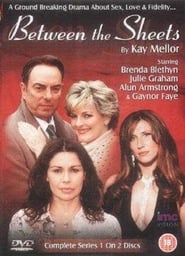
star 5.2Between the Sheets is a 2003 British six-part miniseries. A carnal, comedic drama based around the love life and sexual hang-ups of several different couples all linked in some way. Emotional, touching, and sometimes humorous, the story follows these couples as they're forced to face their demons.Училки в законе
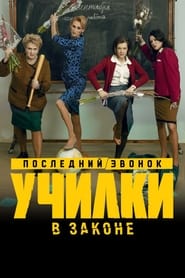
2020
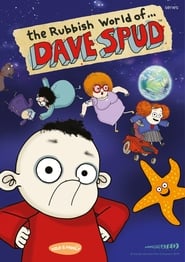
The Rubbish World of Dave Spud
2019
star 9Dave, Grimsby's own magnet for disaster, is a fighter against the odds and our unlikely hero. He knows that no matter how rubbish things get, there is always room for them to get worse. But bring it on! For Dave and his Spud family are united--together they will prevail and do so with gusto! Side note: And be back in time for tea.Waiting for Love
2013
Waiting for Love
2013
star 2.8A drama about love and relationships, centers on a college student Joo Yeon Ae (BoA) who has both good looks and personality, but she′s actually a novice in relationships, and always fails at getting her man. Meanwhile, Cha Ki Dae (Choi Daniel) is a skilled dating coach who expert at reading women′s minds. He comes to coach Yeon Ae over SNS, but despite the experience he boasts about, however, he also always fails at getting his own girl. The drama also depicts what happens when four youths with completely different views toward love start dating each other.It'll be Alright on the Night
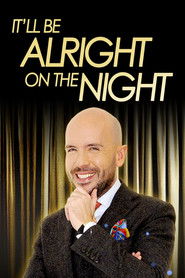
1977
star 7.3It'll Be Alright On The Night is a British television bloopers show screened on ITV and produced by London Weekend Television. It was one of the first shows created with the specific purpose of showing behind the scenes bloopers from film and TV and has been running since 18 September 1977. Denis Norden was the host until 2006, followed by Griff Rhys Jones from 2008 to 2016, with David Walliams taking over in 2018.Insufficient Direction
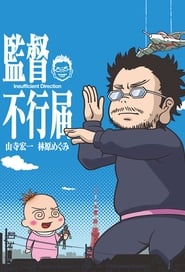
2014
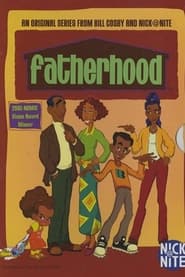
star 5This is the anime adaptation of Kantoku Fuyuki Todoki (Insufficient Direction), the first essay manga by the "queen of the manga world," Moyoco Anno. The comedic and heartwarming autobiographical story follows her everyday married "otaku lifestyle" with Hideaki Anno, "the founder of the otaku cult."Fatherhood
2004
Fatherhood
2004
star 4.8Fatherhood is an American animated television series revolving around the Bindlebeep family and various happenings, inspired by the book of the same name by Bill Cosby. This was Nick at Nite's first original animated series. It has aired on Nick at Nite and Nickelodeon. It was canceled in 2005.Biff and Chip
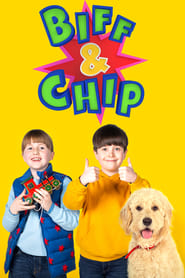
2021
Biff and Chip
2021
Join twins Biff and Chip for surprising stories and imaginative adventures. The twins are joined by their slightly naughty dog Floppy, best friends Wilf and Wilma and their energetic Gran who all get involved in the kids’ escapades.Secret Mountain Fort Awesome
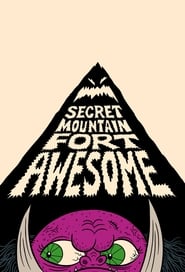
2011
star 4.9These Disgustoid bros will do anything to fit in with the humans. And by "anything" we mean becoming professional wrestlers, teleport -a-potty-ing themselves to other dimensions, disguising themselves as cops and then arresting themselves (which sounds way awesome), and revealing their sexy abs to the world. But, as always, the humans ain't buying it. So there.