Western TV Series - Page 10

Empire
1962
Empire
1962
star 6.8Empire is an hour-long Western television series set on a 1960s 500,000-acre ranch in New Mexico, starring Richard Egan, Terry Moore, Charles Bronson, and Ryan O'Neal. It ran on NBC from September 25, 1962, to May 14, 1963. In the second abbreviated season, from September 24 to December 31, 1963, it was renamed Redigo after Egan's title character, Jim Redigo, the general manager of the fictitious Garrett ranch in Empire, and reduced to a half-hour. (Unaired Pilot: This Rugged Land)Wild West Chronicles
2021
Wild West Chronicles
2021
star 9Once a feared lawman, the legendary Bat Masterson trades his sheriff's badge for a pen and becomes a newspaper reporter. He now travels the frontier to chronicle the amazing true stories of the Wild West and bring them to life once more.True Women
1997
True Women
1997
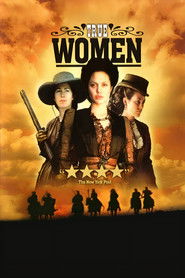
star 6.7A story of love, friendship, survival and triumph spanning five decades from the Texas Revolution through the Civil War, Reconstruction and beyond.Dead Man's Gun
1997
Dead Man's Gun
1997
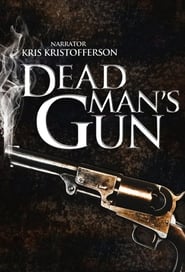
star 4.9Dead Man's Gun was a western anthology series that ran on Showtime from 1997 to 1999. The series followed the travels of a gun as it passed to a new character in each episode. The gun would change the life of whomever possessed it. Each episode was narrated by Kris Kristofferson. The executive producer was Henry Winkler.Bearcats!
1971
Bearcats!
1971
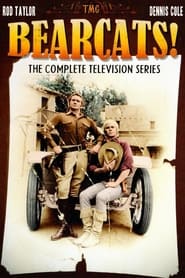
star 6.2Bearcats! is an American television series broadcast on the CBS television network during the Fall 1971 television season. It starred Rod Taylor and Dennis Cole as troubleshooters in the period before America entered World War I. Bearcats! was produced by Filmways Inc.. It was co-produced by Rodlor, Rod Taylor's production firm.Jericho
2016
Jericho
2016
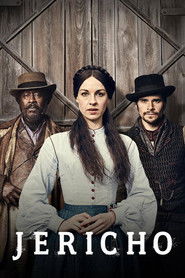
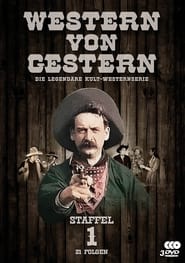
star 6.2In the Yorkshire Dales in the 1870s, the shantytown of Jericho is the home of a community that will live, thrive and die in the shadow of the viaduct they've been brought together to build.Western von gestern
1978
Dallas & Robo
2018
Dallas & Robo
2018
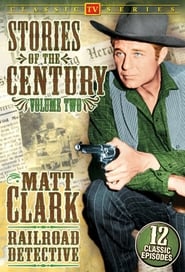
star 6Sassy space-trucker Dallas and self-proclaimed warrior-poet Robo navigate their way around cannibal bikers, rival space truckers, and vending machine burritos as they try to make a buck in the seedy world of interplanetary big-rigging.Stories of the Century
1954
star 6.8Stories of the Century is a 39-episode Western television series starring Jim Davis that ran in syndication through Republic Pictures between January 23, 1954, and March 11, 1955.Children of the Dust
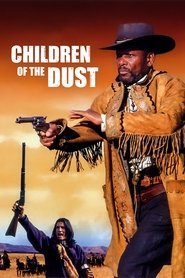
1995
Children of the Dust
1995
star 7Gypsy Smith, is a gunfighter and a bounty hunter. When he leads the US army into a Cheyenne camp to capture a suspected Indian renegade, a long train of events begins that finally lead to that 'good day to die'. White Wolf, only a child, is one of the few survivors of the massacre of his tribe that day, and Gypsy brings him to live with the Maxwell family, where he grows up not fully Indian and not really white but a bit too close to Rachel, the Maxwell daughter. Gypsy now reappears, leading a group of Black settlers from the post-Civil War South to start a new life in a town of their own - Freedom in the Oklahoma Territory, its first black settlement. White Wolf (or Corby as a 'white' name') is now with his people, but all of these parts come back together in conflict, violence, loss, and Pyrric triumph.Temple Houston
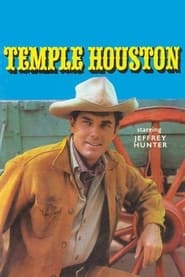
1963
Temple Houston
1963
star 5.7Temple Houston is a 1963–64 NBC television series which has been called "the first attempt . . . to produce an hour-long Western series with the main character being an attorney in the formal sense." It was the only show Jack Webb sold to a network during his ten months as the head of production at Warner Bros. Television. It was also the lone series in which actor Jeffrey Hunter played a regular part.Best of the West
1981
Best of the West
1981
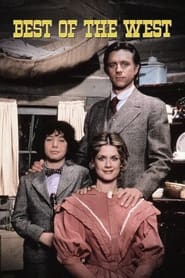
star 6An unwitting city slicker is made the marshal of a lawless town in this absurdist Western that pokes gentle but clever fun at the genre's stock plots and characters. Best of the West is an American sitcom that aired on ABC from September 1981 through August 1982.The Man from Blackhawk
1959
star 5The Man From Blackhawk is a Western television series starring Robert Rockwell that aired on the ABC television network from October 9, 1959, until September 9, 1960. The series was created by Academy Award winning screenwriter Stirling Silliphant.Casa Grande
2023
Casa Grande
2023
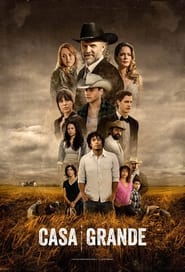
star 5Several families in the farmland of Northern California navigate universal themes of class, immigration, culture and family.Mandacaru
1997
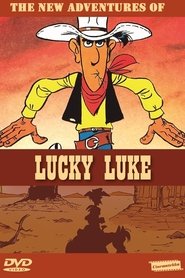
The New Adventures of Lucky Luke
2001
star 7.3The cowboy who draws a gun faster than his shadow is back! Lucky Luke, the famous wandering cowboy fights crime and injustice, most often in the form of the bumbling Dalton brothers. He rides Jolly Jumper, "the smartest horse in the world" and is often accompanied by Rantanplan, "the stupidest dog in the universe".Crossroad Springs
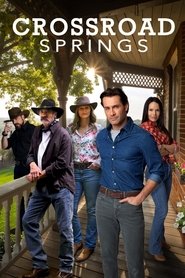
2025
Crossroad Springs
2025
star 9.3The Hamilton family faces financial struggles and staffing shortages on Hamilton Ranch. Pastor James and Janet return to help the family, encountering a generational feud between the family owners. James starts a cowboy church on the farm, where faith, family, and ranch life are intertwined, despite the lack of worship spaces on the vast farmland.New Bandits
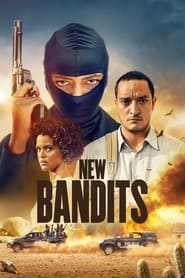
2023
New Bandits
2023
star 7.6Adrift and desperately needing money to pay for his ailing adoptive father's care, Ubaldo, a bank clerk who's unable to remember his childhood, receives an inheritance that will change his destiny for good. He goes to Cratará, in the heart of the northwest desert, where he'll become the leader of a pack of ruthless bandits, fulfilling the legacy of his biological father - a mythical cangaceiro.