Documentary TV Series - Page 156

Eva Longoria: Searching for Mexico
2023
star 5.5Follow Eva Longoria as she traverses Mexico exploring one of the most popular, and arguably misunderstood, global cuisines. From harvesting blue agave for tequila as the Aztecs once did, to slow cooking traditional mole sauce in Oaxaca, join Longoria as she journeys across the many vibrant regions of Mexico to reveal its unique and colorful cuisines.Psycho
2020
Drug Lords
2018
Drug Lords
2018
star 7.3Witness the stories of history's most notorious kingpins, their terrifying enforcers, and the men and women who've sworn to bring them down.Défier la magie
2015
Défier la magie
2015
Three magicians pool their resources to invent magic tricks from challenges proposed by well-known public figures who are fans of magic, skeptics, or even both at the same time.Britain's Murder Map with Vicky McClure and Jonny Owen
2026
Vicky McClure, and her historian husband, Jonny Owen, travel the UK exploring historic, culturally significant crimes that have changed the face of modern Britain. From unsolved murders, to miscarriages of justice that have changed the law; each episode features Vicky and Jonny doing a deep dive into each case. Speaking to experts, historians, police officers and victims’ families, they investigate the lasting impact each murder has left on the community and why these cases still resonate today.The Secrets of Hillsong
2023
star 6.5With fresh reporting and analysis from journalists, historians and policymakers, go beyond the sensational headlines and behind the velvet rope to examine the church's long pattern of covering up misconduct to protect itself.Chelsea Does
2016
Chelsea Does
2016
star 5.3Comedienne and writer Chelsea Handler discusses the topics of marriage, racism, Silicon Valley, and drugs. Filmed in four parts.Beauty of Beauty
1974
Beauty of Beauty
1974
Documentary series about art. Yoshida's camera documents the history of painting and artistic expression with delicate intimacy.流言终结者(精选版)
2021
10xBeter
2012
10xBeter
2012
Seimei Dai Yakushin
2015
Seimei Dai Yakushin
2015
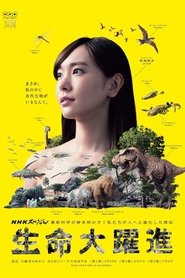
star 9Yui Aragaki serves as the program navigator for this documentary box set that explores the evolutionary leaps that led to mankind becoming human. The evolution and the great strides that humans have made to attain our current form and civilization are told through cutting-edge DNA research and other results, as well as CG depicting the prehistoric world.The Invisible Pilot
2022
The Invisible Pilot
2022
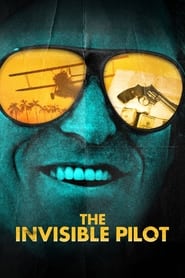
star 6.3The tale of a charismatic, daredevil husband and father who unexpectedly jumped off a bridge in 1977, despite a seemingly happy home life and a lucrative career as a pilot. His small-town Arkansas community searches for his body in vain while family and friends seek answers. Years later, a mysterious story emerges involving hypnosis, secret identities and a double life of dangerous missions and law-breaking. And that’s just the beginning…Billy Connolly's World Tour of New Zealand
2004
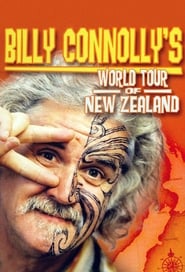
star 7Billy Connolly is back with the fourth in his massively popular World Tour series. This time Billy journey's to the other side of the globe to New Zealand, a country he has been visiting since the 1970s and of which he is immensely fond. Billy's extraordinary journey covers the length and breadth of New Zealand and is mixed with the best of his comedy from sell-out shows around the country.Filmed in 2004 during the first leg of his Too Old To Die Young Tour this series is a stunning journey around New Zealand's two islands from the Southern-most tip to the far north where the Tasman Sea meets the Pacific. Along the way Billy takes in Maori traditions, sand paintings, whale-watching, a 90 mile beach and much more to give us a fascinating insight into the spectacular scenery, culture and people of this amazing country.The World About Us
1967
The World About Us
1967
star 7.8A series of films from all over the world about our astonishing planet and the creatures that live on it. Combining natural history with an element of adventure, the series featured well-known naturalists such as Jane Goodall and Gerald Durrell, and the oceanographer Jacques Cousteau. Succeeded by The Natural World.The Unexplained
1996
The Unexplained
1996
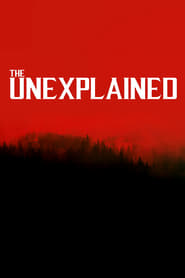
star 8.8The Unexplained is an American paranormal television series that originally aired from January 2, 1996 to May 7, 2000 on A&E and is currently being broadcast on the Biography Channel. The program features various mysteries, paranormal, psychic phenomena, and other topics that are considered to be "unexplained." Earlier episodes of the series are narrated by Bill KurtisMozart: Rise of a Genius
2024
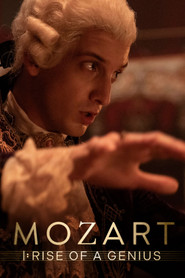
star 7.7The story of Wolfgang Amadeus Mozart - a child prodigy, a flawed human being and one of the greatest composers to have ever lived.Skyggesiden
2024
Skyggesiden
2024
star 10Skyggesiden (The Shadow Side) goes into detail with the biggest current crime cases - in the company of two of Denmark's most seasoned and knowledgeable crime journalists, Janni Pedersen and Carsten Norton.Le Mans: Racing Is Everything
2017
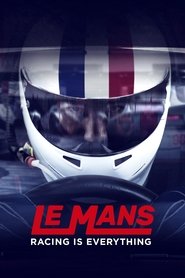
star 5.8The 24 Hours of Le Mans is a motor race like no other. Taking place in France each year, it is an endurance test for drivers and cars that literally takes 24 hours to complete. Traveling from Kuala Lumpur to the Côte D’Azur, shot in breathtaking 4K and with unprecedented access to six of the teams competing for glory, Le Mans: Racing is Everything is motorsport as you’ve never seen it before.The Great Escapists
2021
The Great Escapists
2021
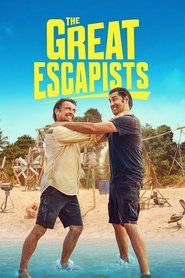
star 6.2Shipwrecked on a remote desert island, Hammond and Belleci use their engineering and scientific skills to not only to survive, but to construct a paradise island playground.