Documentary TV Series - Page 163

Made for March
2026
Made for March
2026
Follows the University of Michigan Wolverines and the University of Kansas Jayhawks basketball teams across the entire season as they bid for a national championship.Exiles
1988
Emancipation Road
2014
Emancipation Road
2014
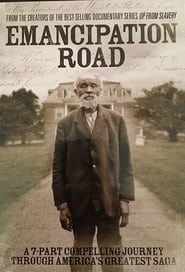
From The Creators Of The Best-Selling Documentary Series "Up From Slavery"... A 7-Part Compelling Journey Through America's Greatest Saga. In 1860, the nation founded upon an idea that all men are created equal and endowed by their creator with the inalienable rights of life, liberty, and the pursuit of happiness had as many as four hundred thousand slave-owners and almost four million slaves. By denying these rights to more than twelve percent of its population, America would soon pay with the blood of a generation. The story of African Slavery in America started with the first permanent English Colony in the 17th century... and ended with the Civil War. But those two hundred and fifty years of struggle were just the beginning. The beginning of a journey down the long Emancipation Road...Planet of the Apemen: Battle for Earth
2011
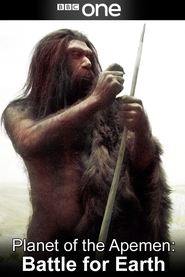
star 6The story of how Homo sapiens once shared the Earth with other species of hominid, and how, against all the odds, we survived.Sancharam
2001
Sancharam
2001
star 9.5The host sets out on a journey to different places around the world to experience their local customs, traditions and cuisine. Sancharam is the first telecast of a visual travelogue in Malayalam language television. The program has been shot, edited and directed by Mr.Santhosh George Kulangara. It is being aired on 09:30 pm and 10 pm (IST) every weekday in Safari TV channel and re-telecast the next day (weekdays only) four times.Missing: Dead or Alive?
2023
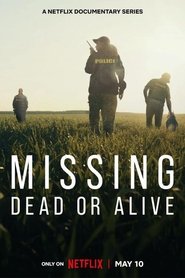
star 6.6Follow officers from a South Carolina sheriff’s department as they urgently search for individuals who've disappeared under troubling circumstances.Planet Sex with Cara Delevingne
2022
star 6On this immersive journey, Cara Delevingne puts her mind and body on the line in search of answers regarding human sexuality, its joys, mysteries, and constantly changing nature. In every episode, she shares her own personal experiences. Uniquely unfiltered and authentic, there's no limit on how far Cara's willing to go to explore what makes us all human.Checker Tobi
2013
Mästaren
2019
Mästaren
2019
Live to 100: Secrets of the Blue Zones
2023
star 7.6Travel around the world with author Dan Buettner to discover five unique communities where people live extraordinarily long and vibrant lives.Wonderland: From JM Barrie to JRR Tolkien
2022
star 8.5An extraordinary variety of writers, who often suffered terrible adversity throughout their lives, created wonderful places full of happiness in which children lived far from the sorrows of adult life.Superstar
2021
Live To Farm
2022
Live To Farm
2022
It takes a family to raise a farm! This new reality series provides a glimpse into the life and living of America's farm families. They work hard and play even harder.Narco Wars
2020
Narco Wars
2020
star 6.5Narco Wars explores how opportunistic smuggling networks in Latin America turned into powerful and ruthless drug cartels with the power to destabilize and tear apart whole countries. The series combines gripping access to cartel members and the law enforcement agencies opposing them with a deep dive documentary exploration of the geo-political, social and cultural factors that led the cartels' rise.Heimatküche
2018
No One Saw a Thing
2019
No One Saw a Thing
2019
star 6.7A six-part, true crime docuseries about a mysterious murder of Ken Rex McElro that took place in the ‘80s with at least 60 witnesses present, all of whom deny seeing anything.BTS 7 Moments
2025
BTS 7 Moments
2025
A timeless testament to the shining moments shared between BTS and ARMY, “BTS 7 Moments”Yacht Expedition
2020
Yacht Expedition
2020
The show is a “documentary variety program” about four men who take on the challenge of sailing a yacht in the Pacific Ocean for 21 daysLolla: The Story of Lollapalooza
2024
star 7Explore the iconic festival, Lollapalooza, which started as a traveling circus of bands including Jane's Addiction, Nine Inch Nails, Butthole Surfers, Rollins Band and Violent Femmes in 1991.