Documentary TV Series - Page 18

Nightline
1980
Nightline
1980
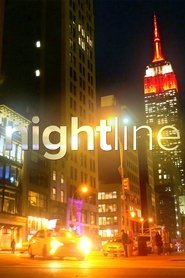
star 5Nightline, or ABC News Nightline, is a late-night news program that is broadcast by ABC in the United States, and has a franchised formula to other networks and stations elsewhere in the world. Created by Roone Arledge, the program featured Ted Koppel as its main anchor from March 1980 until his retirement from the program in November 2005. Nightline airs weeknights at 12:37 a.m. Eastern Time, after Jimmy Kimmel Live!. It previously ran for 31 minutes, but in 2011, the program was reduced to 25 minutes. When the program moved to 12:37 a.m. ET, the program was expanded to 30 minutes. In 2002, Nightline was ranked 23rd on TV Guide's 50 Greatest TV Shows of All Time.Country Tracks
2009
Party Legends
2016
Party Legends
2016
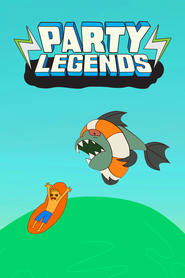
star 7.5Notable and notorious personalities share their most candid party stories with help from emerging artists and animators.Enquête exclusive
2005
Enquête exclusive
2005
star 8.9Weekly investigative magazine presented by Bernard de la Villardière offering reports on international news.The Secret Lives of Kyoto Folk
2015
star 8.7The series depicts "Kyoto as Kyoto people love it" in dramas and documentaries.Cursed Films
2020
Cursed Films
2020
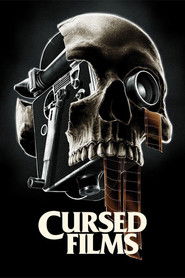
star 7.1A documentary series exploring the myths and legends behind some of Hollywood’s notoriously “cursed” horror film productions. From plane accidents and bombings during the making of The Omen, to the rumored use of real human skeletons on the set of Poltergeist, these stories are legendary amongst film fans and filmmakers alike. But where does the truth lie?Dim Dam Dom
1965
Cosmos: A Personal Voyage
1980
star 8.6Carl Sagan covers a wide range of scientific subjects, including the origin of life and a perspective of our place in the universe.30 Favoriten
2011
30 Favoriten
2011
Uppdrag granskning
2001
Uppdrag granskning
2001
star 7.3Swedish investigative journalism series known for the use of concealed cameras and microphones.Mapping the World
1990
Mapping the World
1990
star 8.6Then complex world of geopolitics broken down into ten minute, bite-sized chunks. You'll never sound uninformed at the dinner table ever again.The Wonderful World of Disney
1954
star 7.8Walt Disney Productions has produced an anthology television series under several different titles since 1954. The original version of the series premiered on ABC, Wednesday night, October 27, 1954. The show, which was hosted by Walt Disney until his death and then from 1996 to 2002 by then-CEO Michael Eisner (with one-off hosts or no hosts during other periods) has since aired continually as either a weekly program or an irregular series of specials on several networks and streaming services, most recently on ABC and Disney+. The show is the second longest showing prime-time program on American television, behind its rival, Hallmark Hall of Fame. However, Hallmark Hall of Fame was a weekly program only during its first five seasons, while Disney remained a weekly program for more than forty years.Lecture Room
2001
Lecture Room
2001
WWE's Most Wanted Treasures
2021
star 8.6Stephanie McMahon and Triple H leads a team of collectors and WWE celebrities as they travel across the United States to find WWE collectibles.Wunderschön!
2008
In Search of...
1977
In Search of...
1977
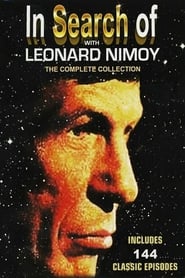
star 8.1In Search of... is a TV series that was broadcast weekly from 1977 to 1982, devoted to mysterious phenomena. It was created after the success of three one-hour TV documentaries produced by creator Alan Landsburg: In Search of Ancient Astronauts in 1973, In Search of Ancient Mysteries and The Outer Space Connection, both in 1975. All three featured narration by Rod Serling, who was the initial choice to host the spin-off show. After Serling's death, Leonard Nimoy was selected to be the host.The Roshans
2025
The Roshans
2025
star 7.9This documentary series chronicles the trials and triumphs of Bollywood's iconic Roshan family — musician Roshan Lal Nagrath, Rajesh, Rakesh and Hrithik.The Seventies
2015
The Seventies
2015
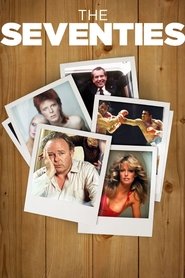
star 7.4A documentary series focusing on the ongoing Vietnam War, the Watergate scandal, evolving music industry, the Iran Hostage Crisis, the sexual revolution, and the rise of foreign and domestic terrorism.19 Kids and Counting
2008
19 Kids and Counting
2008
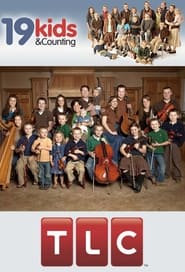
star 5.519 Kids and Counting, rendered graphically as 19 Kids & Counting in its onscreen logo, is an American reality television show on TLC. The show is about the Duggar family, which consists of parents Jim Bob and Michelle Duggar and their 19 children—nine girls and ten boys, all of whose names begin with the letter "J". The series began on September 29, 2008. The twelfth season premiere was September 17, 2013.Cachitos de hierro y cromo
2013
star 7.7Cachitos de hierro y cromo is a Spanish musical-themed documentary program, directed by Jero Rodríguez and hosted by Virginia Díaz. It is an unapologetic musical display of RTVE's sound legacy in the form of performances on the set of programs such as 'Aplauso', 'Galas del Sábado', 'Mapa Sonoro', 'Zona Franca' or 'Los Conciertos de Radio 3'. For nearly 60 years, artists and other specimens have stormed viewers' screens. The result is a polyphony of images and memories that includes everything from James Brown to Camela, from Perales to REM, from Gabinete to Violent Femmes. And so all the time. Our secret weapon has been the historical archive of TVE, the repository of Spanish collective memory for more than half a century.