Documentary TV Series - Page 180

Aus dem Archiv
2012
Aus dem Archiv
2012
Parconaute
2016
The Wonderland Massacre & the Secret History of Hollywood
2024
star 7.2Michael Connelly takes viewers on a wild journey into the twisted story of the massacre at Wonderland Avenue on July 1, 1981 – one of Hollywood's most famous murder cases that has fascinated people for more than 40 years.Magic Numbers
2010
Magic Numbers
2010
star 5Magic Numbers was a British television show in which celebrity contestants answer questions to generate a sequence of 6 numbers. Members of the public then call a Premium-rate telephone number if their home or mobile phone numbers contains two or more of these digits. Callers are entered into a prize draw to win the chance of competing for a prize of up to £350,000. The show was created by CPL Productions and Paul Brassey and commissioned by John Kaye Cooper at ITV. The show is very similar to a previous ITV game show, Talking Telephone Numbers, the key difference being that viewers of Magic Numbers can call in if two of the numbers match their phone number, rather than five as on the previous show. This was a technique employed by ITV to generate more calls, and hence higher revenues from the show. Magic Numbers was hosted by Stephen Mulhern when it aired for one series of seven episodes in 2010.冀味儿
2019
冀味儿
2019
The Ripper
2020
The Ripper
2020
star 6.6For five years, from 1975 to 1980, the Yorkshire Ripper murders cast a dark shadow over the lives of women in the North of England. 13 women were dead and the police seemed incapable of catching the killer. No one felt safe – and every man was a suspect.Evolution of the Black Quarterback
2024
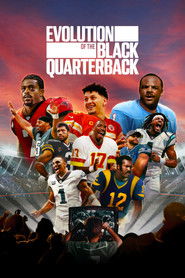
star 4.5In celebration of how Black quarterbacks have changed the game of professional football, Michael Vick travels across America learning about the pioneers who fought for acceptance, the players who cemented their spot, and what the future of the game can hold.Ekonomibyrån
2020
Ekonomibyrån
2020
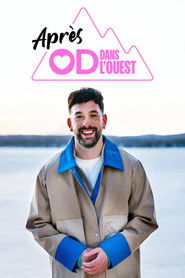
Apres OD
2018
Childhood Elsewhere
2019
Jamy's World
2014
Jamy's World
2014
star 6.5Extremely popular with French audiences, Jamy Gourmaud made science accessible to all with the cult programme “C’est pas sorcier” (It’s not rocket science). Today, he travels all over the world with journalist Églantiné Éméyé to demystify the world around us: climate change, food, road safety, air traffic, animal intelligence…even fireworks and roller coasters! Filled with funny, lively experiences, explanatory 3D images and breathtaking landscapes, “Jamy’s World” is the go-to, popular science show.Jailer Unlocked
2024
Jailer Unlocked
2024
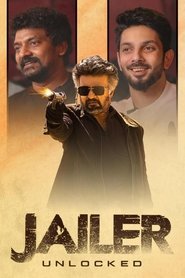
star 9A Sun NXT Exclusive that features the exciting journey & unseen story behind the making of Superstar Rajinikanth's record making blockbuster Jailer.1,000 Places to See Before You Die
2007
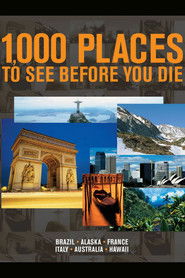
1000 Places to See Before You Die is a documentary series that aired on the Travel Channel as well as Discovery HD Theater in 2007. The show, hosted by Albin and Melanie Ulle, travels around the world to showcase some of the Earth's vast beauty. The program also explores the diverse cultures of several amazing countries and approximately 100 of the 1,000 Places from the book, with an eye towards unearthing local charms and traditions.Pedal to the Metal
2016
Pedal to the Metal
2016
Each week, we follow our three drivers in their routine on and off track before they take part in an important amateur racing event.Ultimate Survival Alaska
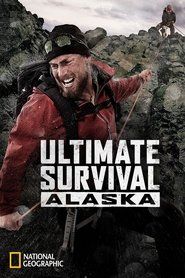
2013
star 8.2They are some of the toughest, most extreme survivalists from across the nation. In the second season of Ultimate Survival Alaska, four teams - woodsmen, mountaineers, military veterans, and endurance athletes go head-to-head in an epic arctic competition that only National Geographic could inspire.Vroom Vroom
2006
Vroom Vroom
2006
Vroom Vroom was a British television series. shown on Sky One. The presenters were Brendan Coogan, Jon Desborough, Lisa Rogers, and Emma Parker Bowles. Each show ran for one hour, and featured a varied mix of segments, from test drives to banger racing and tips for buying and selling cars. Each episode included a regular strand presented by Emma Parker Bowles who turns her hand to banger, lawn mower and mini-auto grass racing. Other contributors included segments by Bruno Senna, nephew of late Grand Prix driver Ayrton Senna and professional test driver Duncan Gray. For the second seires of the show, it had some new segments. Brendan Coogan's 'Test Drive' section was changed, instead of the car being put through various tests, it was subjected to an unusual test - such as the Audi Q7 was navigated through various courses, but driven by children. Another long running segment was run at Santa Pod to make a 1992 Mk 3 Vauxhall Astra 1.6 estate go faster via a weekly modification costing less than £150. SolutionsMorecambe & Wise in America
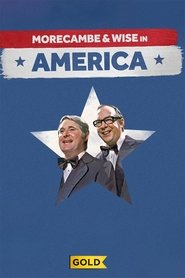
2018
Three part series hosted by Jonathan Ross, telling the story of Eric and Ernie's attempts to break America. Over the course of five years in the 1960s, Morecambe and Wise made multiple trips to New York to appear on the USA's biggest variety show, The Ed Sullivan Show. The untold story of their attempt to make it in the States is documented for the first time, including footage that has never been shown on British television before.Einsatzgruppen: The Nazi Death Squads
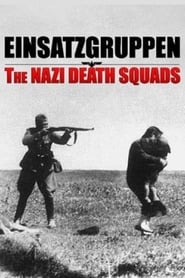
2009
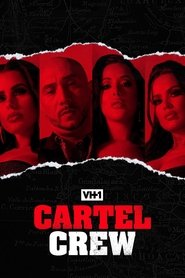
star 7.7This documentary series examines the Einsatzgruppen, Nazis responsible for the mass murder of Jews, Romani and Soviet prisoners in Eastern Europe.Cartel Crew
2019
Cartel Crew
2019
star 8.8A look into the lives of descendants of the Cartel life living in Miami as they navigate adulthood and the effects the legacy has had on their upbringing.