Documentary TV Series - Page 185

Civilisations
2018
Civilisations
2018
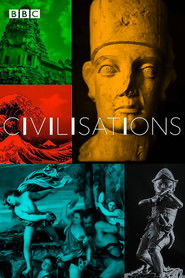
star 7.3The story of art from the dawn of human history to the present day—for the first time on a global scale. Inspired by Civilisation, Kenneth Clark’s acclaimed landmark 1969 series about Western art, this series broadens the canvas to reveal the role art and the creative imagination have played across multiple cultures and civilizations.The Curse of Oak Island: Drilling Down
2015
star 9A companion series to “The Curse of Oak Island,” this series gives new viewers a crash course into what “The Curse of Oak Island” is all about. The series features different guests, including interviews and in-depth and thought provoking discussions surrounding “The Curse of Oak Island.” Oak Island has intrigued treasure hunters for hundreds of years, as it is believed to hold one of the greatest treasures of all time, but nobody can find it. Two brothers from Michigan have bought the rights to much of the island so that they can attempt to crack the mystery of the curse and find the treasure.Stephen Hawking's Science of the Future
2014
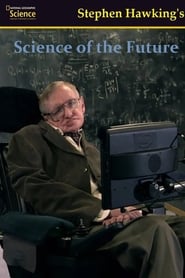
star 3Stephen Hawking’s Science of the Future investigates the very latest game changing innovations. Each episode takes one area of progress and sends five top scientists out to actively test the inventions and breakthroughs that are driving it. The team explore human upgrades, the virtual world, bio-mimicry, high-tech emergency responses, and more. Featuring a wide range of examples, from advanced robotics and breathtaking digital actors, to cutting edge smart homes and electronic brain stimulation, the series reveals how science is delivering astonishing improvements to all our lives. Using the evidence they gather, the team reveals the year when each innovation will be rolled out for us all to benefit from, and Hawking then draws out his own uniquely insightful predictions about what our world will be like in the years to come.Nadiya Bakes
2020
Nadiya Bakes
2020
star 6Nadiya Hussain shares her love of baking with some of her favourite recipes. From everyday treats to indulgent desserts, these are guaranteed to bring a little joy into your life.Here Come the Irish
2024
Here Come the Irish
2024
star 1Documents life on and off the field of the legendary University of Notre Dame Fighting Irish football team through exclusive behind-the-scenes footage and interviews with those closest to the program.Hamish and Andy's Gap Year
2011
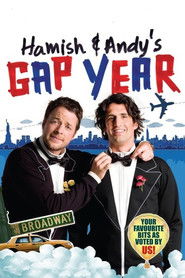
star 7.5In a rare example of foresight, Hamish and Andy have announced that they’ve “kind of, pretty much” decided what they want to do with the extra time they have in 2011 – they are going on a gap year to America. However, Hamish and Andy remembered that they told Channel Nine they would do a TV show this year as well, so while continuing their weekly radio show for Austereo's Today Network, they’ll now attempt to combine their dream gap year with a TV series.Bill Oddie's How to Watch Wildlife
2005
Bill Oddie's How to Watch Wildlife is a British BBC 2 TV programme about natural history presented by Bill Oddie and produced by Stephen Moss. A first series of eight episodes were broadcast in early 2005, and a second series of eight episodes in early 2006.Hillary
2020
Hillary
2020
star 5.9A portrait of a public woman, interweaving moments from never-before-seen 2016 campaign footage with biographical chapters of Hillary Rodham Clinton's life. Featuring exclusive interviews with Hillary herself, Bill Clinton, friends, and journalists, an examination of how she became simultaneously one of the most admired and vilified women in the world.The Emerald Isles with Ardal O'Hanlon
2024
star 8Ardal O'Hanlon goes on a fascinating journey around the islands of Ireland, unearthing the history, observing the wildlife and meeting the islanders trying to live sustainably within their extraordinary environment.River of No Return
2019
River of No Return
2019
star 7In the Frank Church Wilderness, the only means of transport and accessing supplies are by way of the largest un-dammed river in North America, the Salmon River, commonly referred to as “The River of No Return.” Under these circumstances, the residents of “The Frank” tackle everyday life in one of America’s last frontiers – from twenty-somethings seeking to test their limits, to the living legends of the River who have chosen to spend their lives there.The UnXplained Special Presentation
2023
star 4These special compilation episodes of "The UnXplained" explore the world’s most fascinating, strange and inexplicable mysteries.Men of Ideas
1978
Men of Ideas
1978
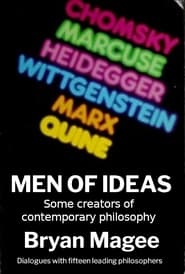
star 8.5A captivating voyage into the world of intellectual exploration, where host Bryan Magee engages in illuminating dialogues with some of the most distinguished thinkers of the last century. Join Magee in riveting conversations with eminent guests like Herbert Marcuse, A. J. Ayer, John Searle, Noam Chomsky, Iris Murdoch, and W.V. Quine, as they unravel the complexities of philosophy, language, politics, and culture. From the radical reevaluation of Marxism by Herbert Marcuse to the profound insights on language by John Searle and Noam Chomsky, this series presents a tapestry of thought that has shaped our understanding of existence. With each episode, "Men of Ideas" offers a unique window into the minds of these leading philosophers, making it an intellectually invigorating experience for both avid scholars and curious minds alike.Fortune Seller: A TV Scam
2022
star 6.3Follow controversial slimming cream sellers turned con artists Wanna Marchi and Stefania Nobile, from their TV success to their scam and jail time.The Body Next Door
2024
The Body Next Door
2024
star 8.2In November 2015, a disturbing discovery of a human corpse thrust the quiet Welsh village of Beddau, into the spotlight. The identity of the deceased body remained a mystery, with no matching DNA, fingerprints, or dental records available, turning the case into a haunting dual mystery: who did this, and who was the victim?Superstar
2021
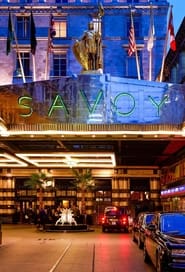
The Savoy
2020
The Savoy
2020
star 7.9The Savoy hotel... Its very name synonymous with glamour and exclusivity. But what really goes on behind those famous revolving doors?Thank You and Sorry
2015
Thank You and Sorry
2015
star 6Jack Antonoff tours with his band, Bleachers, and along with the tour schedule, he deals with problems at home - including hiring a new manager and pleasing his girlfriend back in New York. Through documentary and comedy, we get a glimpse into the life of Jack Antonoff and come to understand why he is constantly both thankful and sorry.1066: A Year to Conquer England
2017
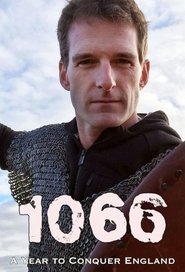
Dan Snow explores the political intrigues and family betrayals between the Vikings, Anglo-Saxons and Normans that led to war.72 Hours: True Crime
2003
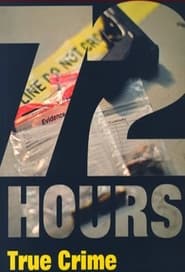
72 Hours: True Crime
2003
star 4.772 Hours: True Crime focuses on crime, specifically on the first 72 hours after a crime is committed, a critical time period for solving it. Rather than focus on fictional crimes, as do Law & Order and other TV shows elsewhere, True Crime depicted actual crimes that occurred throughout Canada, using dramatic reenactments and documentary-style footage of crime scenes.