Documentary TV Series - Page 233

奇妙的蛋生
2021
奇妙的蛋生
2021
10 Things You Don't Know About
2012
star 5.9Did you know that President John F. Kennedy was a bodybuilder, Roman ruler Caligula loved to gamble and drug kingpin Pablo Escobar burned millions in cash to keep warm? The series 10 Things You Don't Know About reveals intriguing and provocative details about some of history’s most fascinating individuals and groups. Tune in to explore the lives of historical figures ranging from Abraham Lincoln to the members of the Rat Pack, discovering what your textbooks never told you.Timeblazers
2003
The Strategy of Victory
1984
The story of the Great Patriotic War: pages of memories, documents, and chronicle. The film uses materials from the State Film Fund of the USSR, the State Archive of Cinema and Photodocuments of the USSR, the Radio and Television Fund, the Film Studio of the Ministry of Defense of the USSR, the Ministry of Foreign Affairs of the USSR, the KGB of the USSR, and the Institute of Military History of the USSR.Justice
2009
Justice
2009
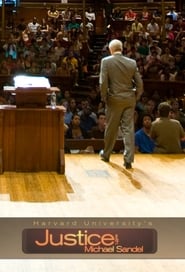
star 10Justice is the first Harvard course to be made freely available online and on public television. In this 12-part series, college professor Michael Sandel challenges us with hard moral dilemmas and invites us to ponder the right thing to do—in politics and in our everyday lives.Maniasan to Aruku Kansai
2024
A new documentary-style drama that looks at the everyday landscape from a manic perspective.The Celts
2001
The Celts
2001
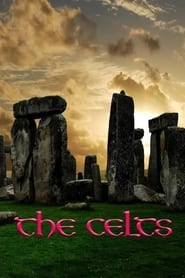
Looks at how the Celts were the first European people north of the Alps to rise from anonymity. This program looks at who the Celts were, where they came from and what made their culture so distinctive. Follow their fascinating story from their earliest roots 2,500 years ago through the flowering of their unique culture and their enduring heritage today, enhanced with stunning reconstructions of iron-age villages, dramatizations of major historical events and visits to modern Celtic lands.The Best of British Cinema
1987
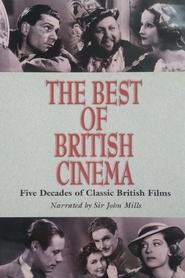
Sir John Mills narrates this entertaining compilation. "The Best of British Cinema" takes an insightful look back at some of the finest and most memorable feature films to be produced in major British studios over a period of five decades. All of the major stars are here, from Olivier to Leigh, from Sabu to Robert Donat, along with eminent directors. This series confirms the power, humor and drama of the great British films.Black Sky
2004
Black Sky
2004
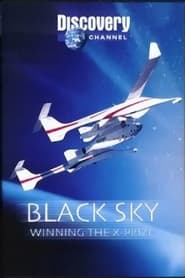
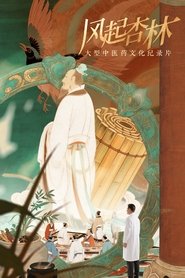
The remarkable story of Burt Rutan and SpaceShipOne. Only three of the most powerful governments in the world have achieved what they set out to do from a garage in the Mojave desert: to put a man in space.风起杏林
2025
风起杏林
2025
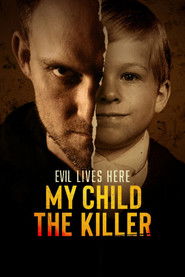
Evil Lives Here: My Child the Killer
2026
star 7Follows parents confronting the unthinkable truth that their child has grown into a monster who committed horrifying crimes, featuring first-person interviews.Under Pressure: The U.S. Women's World Cup Team
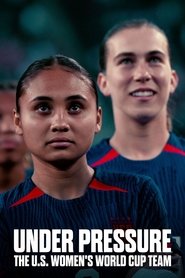
2023
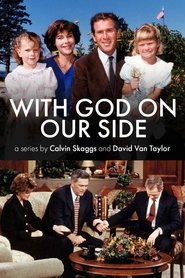
star 6.8In this docuseries, the U.S. women's national soccer team pursues their third consecutive title amid trials and triumphs at the 2023 FIFA World Cup.With God on Our Side: The Rise of the Religious Right in America
1996
From the "Christian anti-Communism" of the '50s to the sophisticated politics of the Christian Coalition today, evangelical Christians have slowly but steadily re-shaped the context of mainstream American politics and culture. Using rare archival footage and candid interviews, "With God on Our Side: The Rise of the Religious Right in America" chronicles the conservative Christian political movement.The Surgeons
2003
The Surgeons
2003
This verité documentary series profiles the personal and professional lives of Canada's best surgeons. With remarkable access to doctors and their patients, this series features riveting stories about real life and death medical procedures.La route de la soif
2018
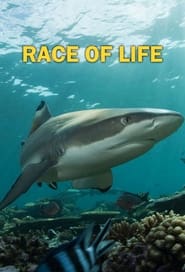
Race of life
2016
Race of life
2016
star 10Each week, Race of Life shows you the animals that have adapted and evolved to survive in their environments and keep predators at bay. In the animal kingdom, each day is a battle for survival, and rushing to stay one step ahead of predators is a tiring job…as the sun rises the race begins all over again.Food Markets: In the Belly of the City
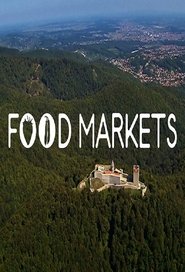
2013
star 5.7Going to the local market when we visit a foreign city is something we all love to do. More people visit them in one day than all the city's art museums put together. Markets attract us for their colours, smells, people, sounds and taste.Summer Palace
2010
Summer Palace
2010
star 7.7The Imperial Garden of the Qing Dynasty, formerly known as the Qingyi Garden, was built in the Qing Emperor Qianlong period when the national power was strong. It was destroyed by the British and French coalition forces in the second Opium War in 1860. During the reign of Emperor Guangxu, it was renamed the Summer Palace and became the main place where Cixi lived and lived in his later years. The Summer Palace was looted by the Eight-Power Allied Forces in 1900 and was occupied by the Japanese during the Anti-Japanese War. In 1928, the Summer Palace officially became a national park by the Royal Garden. The preservation of the archives and cultural relics in the park today records the history of China's feudal society from its glory to its decline, and it has also witnessed the vicissitudes of several vicissitudes of gardens in New China. The Summer Palace is a collection of Chinese classical garden art. It combines the essence of the north and south gardens and integrates the man-made landscape with nature. It is