Documentary TV Series - Page 234

Impact: Stories of Survival
2002
Impact: Stories of Survival is a documentary television series that premiered in 2002 on and was produced by the Discovery Health Channel. The program is based on life-threatening situations in which the victim experienced a moment of impact. Featuring video of the event, reenactments, and interviews with surgeons, doctors, and the victims, Impact takes its viewers through the full process of the victims impact, treatment and recovery. There is also a segment where a computerized animation shows in detail how the impact affected the victim's body showing how and to what extent bones, organs, veins, etc. were injured.Victoria Wood: The Secret List
2020
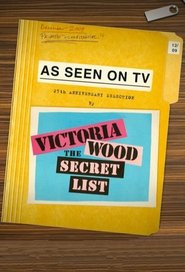
star 7Back in 2009, Victoria wrote a list of her favourite moments from her seminal 80s series, intending to use it as a compilation show of self-selected best bits. The list remained locked away in her personal office until now. It features familiar favourites and often overlooked gems, but as these two programmes explore, the chosen sketches serve as a prediction of what was to come in an unparalleled career that crossed just about every genre of stage and screen.SUSPEKT
2020
Driven
1998
Driven
1998
star 10Driven was a motoring television programme launched by Channel 4 in 1998 as a rival to the successful and long-running BBC series Top Gear. The style was similar to its rival, but with additional features such as the "Driven 100", a road test of three cars in the same class, where each car would be given marks for qualities such as practicality, desirability and cost of ownership. The car with the highest total score would be the winner. The programme launched with the concept that the presenters should interact with each other rather than present items on their own, as was then the case on Top Gear. The first series also featured a "headquarters", a racing team truck, set on a former air force base at which cars were put through their paces. These concepts resurfaced in the reborn Top Gear soon after.When Dinosaurs Ruled
1999
When Dinosaurs Ruled
1999
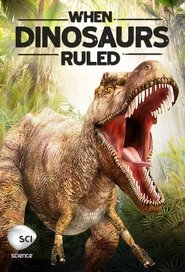
Charting the rise and fall of the prehistoric creatures through fossil evidence from around the world and interviews with noted paleontologists.Gordon Ramsay on Cocaine
2017
star 5.9Gordon Ramsay strips away the veneer of cocaine’s glamorous image to expose how behind the powder many Brits consume as part of a night out, lies a trail of criminality, cruelty and death driving its global trade.The Desert Sea
2016
The Desert Sea
2016
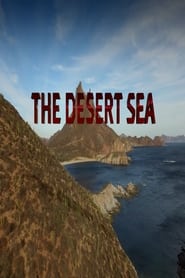
star 9The Desert Sea is an Ultra High Definition 2 part series that centers on North America's diverse Sonoran Desert. The first hour explores why the Sonoran is the wettest and most diverse desert in the Americas due to its unique proximity to the Gulf of California and the great Pacific Ocean - a coastal desert next to an extraordinary rich marine environment of sea lions, dolphins and even blue whales. The second hour focuses on the abundant and diverse creatures that have adapted to desert life in this unique environment: from big cats, giant hares and killer insects, to extraordinary reptiles and even a bird that can run at high speeds.The Adventurers of Modern Art
2015
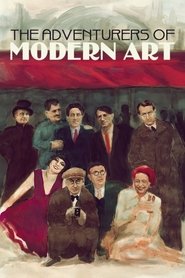
star 7An intimate portrait of the lives of the artists, founders of modern art, who lived in Montmartre from 1900 until the liberation of France from the German yoke in 1944, near the end of World War II.The Viral Delusion
2022
The Viral Delusion
2022
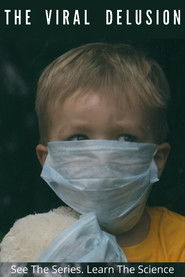
n 2019, the virologists took center stage, and for the first time on film, their methods, miscues and tragedy they have wrought are put under the spotlight, revealing the extraordinary leaps of fantasy buried in their methodology, the contradictions quietly acknowledged in their papers, their desperate effort to change language to justify their findings, the obvious incongruence of their conclusions and the extraordinary stakes for our entire society in whether we continue to blindly follow their lead into a full-scale war against nature itself.The Haunted
2009
The Haunted
2009
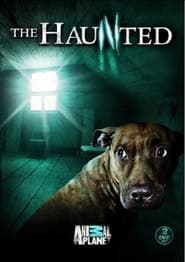
star 6.8The Haunted is an American paranormal television series that premiered on November 22, 2009 on Animal Planet. Produced by Picture Shack Entertainment, the program features ghost stories and paranormal investigations involving animals. It also incorporates actual footage and photographs from the famiilies and paranormal research teams involved.In Restless Dreams: The Music of Paul Simon
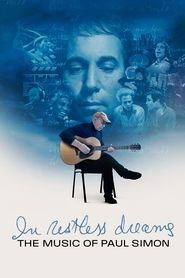
2024
The definitive musical biography of Paul Simon, one of the greatest songwriters (and performers) in the history of rock 'n roll.Best Food Ever
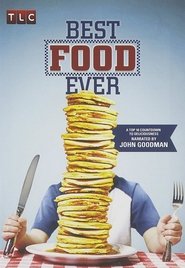
2010
Reaching for the Skies
1988
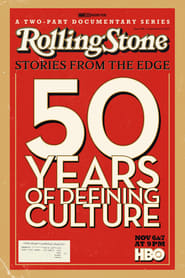
Reaching for the Skies was an aviation documentary TV series made by BBC Pebble Mill in association with CBS Fox. The first episode was transmitted in the United Kingdom on 12 September 1988 and in the US in 1989. Narrated by British actor Anthony Quayle, and by Robert Vaughn for its American and International releases, It was divided into 12 programs. The series producer was Ivan Rendall. Music used was mainly sourced from KPM Musichouse.Rolling Stone: Stories From the Edge
2017
star 6.9A chronicle of the last 50 years of American music, politics and popular culture through the perspective of Rolling Stone magazine. An exhilarating visual and musical experience of the magazine’s history featuring performances by a dazzling array of artists and showcasing the groundbreaking work of its writers.Dinosaur Planet
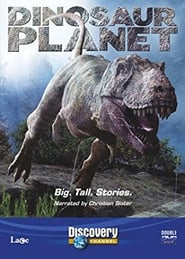
2003
Dinosaur Planet
2003
star 7.9Dinosaur Planet, not to be confused with Planet Dinosaur, is a four-part American nature documentary first aired on Discovery Channel in 2003. It was hosted by Scott Sampson and narrated by Christian Slater. Dinosaur Planet depicts dinosaurs living in various parts of the world 80 million years ago, using CGI. In actuality, a good part of the dinosaurs were designed by Mark Dubeau, who was the art director and primary creature designer on the aforementioned "When Dinosaurs Roamed America".Krimvakta
2026
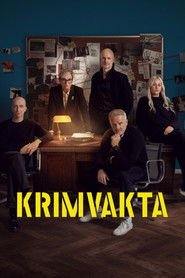
Krimvakta
2026
star 6Ex-cop Johnny Brenna and his team of specialists reopen real criminal cases the Norwegian police gave up on, investigating until authorities are forced to act.Bornebusch i tevefabriken
2016
Actress and writer Josephine Bornebusch takes a dive into the world of tv-series and meets the stars and the people behind the successes.American Suburbia
2005
American Suburbia
2005
star 6Witness a fascinating account of a nation's efforts to become progressive and prosperous.Icons Unearthed: Harry Potter
2024
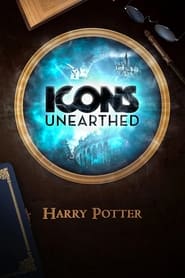
star 8.3J.K. Rowling’s orphan boy wizard took the world by storm, but before the first book was even published Warner Brothers had their eye on a franchise. But how to make it soar? In a leaky shed in the UK, these cinematic wizards build a whole new world and changed filmmaking forever. Through a revolving door of directors, an assortment of magical creatures, increasing demand for visual effects, and a cast that is growing up, the Harry Potter series continued to fascinate audiences. Get behind the wand to hear the secrets of the trials, threats, and near-death experiences from the people who made the magic happen on Icons Unearthed: Harry Potter.Elizabeth Taylor - Rebel Superstar
2024
star 7.1A deep dive into Elizabeth Taylor's craft and technique as an actor – one who mesmerized cinemagoers, but also changed the relationship between audiences and stars – while going on to spotlight her work becoming a billion-dollar businesswoman, activist and advocate.