Documentary TV Series - Page 344

Trajectoires
2014
Trajectoires
2014
Built to Survive
2022
Built to Survive
2022
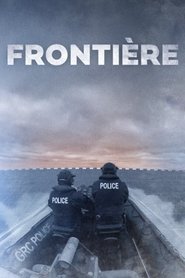
Phil Breslin draws on the knowledge of science, First Nations peoples and his own experience in the wild, to find out how animals have adapted to some of the world's most extreme and diverse, natural habitats.Frontière
2020
Cały ten rap
2024
Cały ten rap
2024
From underground beginnings to mainstream success, a look at how the influence of hip-hop culture spread through Polish society.Angry Planet
2006
Angry Planet
2006
star 7Angry Planet is a 39-part television series broadcast around the world featuring the adventures of storm chaser George Kourounis, Angry Planet is produced by Peter Rowe of Pinewood Films. The series plays on the following networks: ⁕Outdoor Life Network ⁕Travel Channel ⁕Weather Channel ⁕TV8 ⁕MTV3 ⁕Canal Evasion ⁕TVB The first season of the series has also been released on DVD as a box set. Each episode focuses on a different force of nature as Kourounis gets up close to investigate and document the most fierce natural phenomena the Earth has to dish out.Locomía
2022
Locomía
2022
star 6.9A three-part documentary that tells the story of one of the most emblematic groups of the nineties and of a time that marked the history of Spain. It is a unique story that goes beyond the famous fans of the group, it is also a story about success, betrayal, jealousy, anarchy, homophobia, and oblivion. Directed by Jorge Laplace, ‘Locomía’ features the participation of the original members of the group that revolutionized the Spanish music scene, such as its founder, Xavier Font, and the music producer who put them on stage, José Luis Gil.Heaven Made
2021
Heaven Made
2021
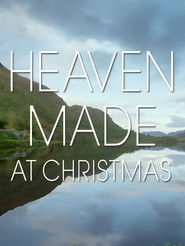
Behind the walls of three religious orders to meet Benedictine nuns and monks who devote themselves not just to prayer and work, but to keeping ancient crafting traditions alive.The Sinking of the Costa Concordia
2021
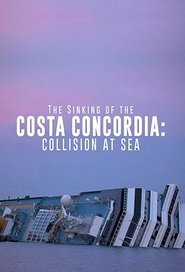
star 7The Costa Concordia's demise remains one of the 21st century's most fascinating disasters. Combining first-person testimony from survivors and rescuers, and previously unseen footage, reconstructions and expert insight, the programme tells the astonishing story in forensic detail of what happened on that fateful night.The Fjord Cowboys
2014
The Fjord Cowboys
2014
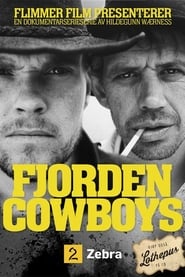
star 6.2The Fjord Cowboys follows Lothepus, the hard working expert on explosives, and Joar, his hedonistic apprentice and their lives on the shores of the world famous Hardanger Fjord. Behind their somewhat rough appearance, they are in fact a pair of astute entreprenour businessmen with no fear of authority who play by their own rules. Together they work hard, and party even harder. But they have children to raise, projects to execute and loved ones to deal with, and their particular zest for life does not always match other peoples’ expectations.SAT.1 Reportage
2015
SAT.1 Reportage
2015
Cosmic Odyssey
2002
Cosmic Odyssey
2002
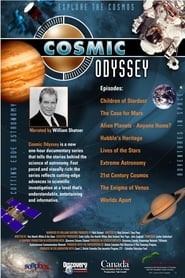
Cosmic Odyssey is a 2002 documentary television series about the cosmos, created by Avanti Pictures, narrated by William Shatner, and produced by Soapbox Entertainment for The Discovery Channel. In 2003, Schlessinger Media released the series in VHS video format. As of 2007, the series is syndicated on The Science Channel. "...Cosmic Odyssey tells the stories behind the science of astronomy in an informative and entertaining way. Fast-paced and visually rich, viewers journey to exotic destinations within our solar system and beyond! From moons and planets to comets and asteroids, this series features scientists on the cutting edge as they investigate cosmic mysteries, including the birth and death of stars, the structure of the universe and the search for extraterrestrial life. Each program includes a Teacher's Guide."Zoom
2021
Zoom
2021
Mein Recht! Ich geb nicht auf
2014
Dr. Christian Horwath accompanies people in their fight for justice. The lawyer fights for his clients, tries to settle disputes, holds companies accountable, uncovers injustices and always tries to find a quick and amicable solution.Lokalrunde
2021
Lokalrunde
2021
Jegertvillingene
2015
Häxornas tid
2005
Häxornas tid
2005
Through the Kitchen Window
2018
These short documentaries take an intimate look at the lifestyles and culinary passions of people across Japan. Their stories are sure to warm the heart and whet the appetite.All or Nothing – The German National Team in Qatar
2023
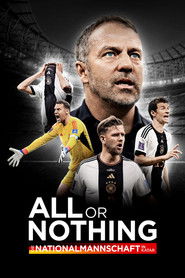
star 6.7The German national football team wants to be the world’s best once again at the World Cup in Qatar. After being eliminated in the preliminary round of the 2018 World Cup and in the last 16 at the 2021 European Championship, the former world champions want another title. But again their journey ends in the preliminary round. Exclusive behind-the-scenes insights show their dramatic failure.Klepper
2019
Klepper
2019
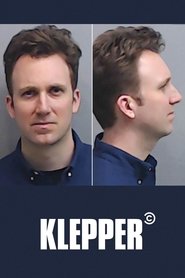
star 8In this docuseries punctuated with self-deprecating wit and lots of way-harder-than-I-thought reality checks, Jordan Klepper leaves the comfort of the studio and embeds on the front lines of America’s push for change.