Documentary TV Series - Page 359

The Force
2009
The Force
2009
star 6The Force was a series of three observational documentary programmes created for Channel 4 by Oxford Film and Television and Patrick Forbes, following the work of Hampshire Constabulary. The first episode follows a murder investigation after a burnt body is found, the second follows the work of a dedicated rape unit, while the third follows a case of arson/murder, nine months after the incident. The series, which was first run in 2009, was well received by critics, who said the documentary was more interesting than they had anticipated.Restaurantlegenden
2021
Restaurantlegenden
2021
I Escaped: Real Prison Breaks
2010
star 4.2The show recounts incredible true stories of some of the greatest prison escapes in history.Close Up
2011
Thalassa
1975
Nos terres inconnues
2018
Nos terres inconnues
2018
star 8.5"Nos Terres Inconnues" sets out to discover the French countryside, in the heart of unexpected landscapes, and takes a celebrity along to meet its inhabitants...Gifts of the North: Furano A Chef and Maître d'hôtel
2022
In 2016, a famous French restaurant in Tokyo closed its doors. The chef Otsuka Kenichi and his wife Keiko fell in love with the rich local foods in Hokkaido and relocated to Furano city. They collaborate with local producers to make attractive dishes that you could have nowhere else. Unique dishes with local ingredients, such as freshly harvested asparagus and corns, oysters and scallops, also melons and haskaps. Beautiful 4K footage captures the nature of Hokkaido and the colorful cuisine.Seven Deadly Sins
2008
Seven Deadly Sins
2008
star 7.7The series traces the history of the seven deadly sins, how they became part of religious doctrine, and looks at historical figures who have been the worst perpetrators of each. Each of the seven sins is explored, from their origins and nature, their opposing virtue, and their corresponding punishment.999: On the Front Line
2017
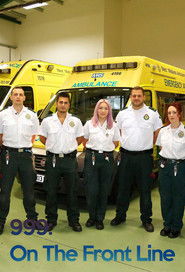
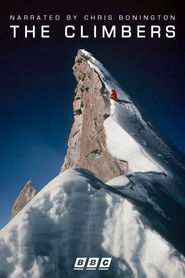
star 6.2Filmed simultaneously with ambulance crews across the West Midlands, this series shows in real time the range of cases paramedics attend to.The Climbers
1992
The Climbers
1992
star 10"The Climbers" is a six-part documentary series tracing the history of mountaineering. Directed by Chris Bonington and Richard Else, it was produced by the BBC and broadcast in 1992. The series recounts the evolution of mountaineering and the traditions of climbers in Great Britain and on the European continent: the former developed a free climbing technique, while the latter used aids such as keys, pitons, and drills to ascend otherwise inaccessible routes. The program includes archive footage of the pioneers of the sport, from the emergence of free climbing as a distinct discipline in the late 1970s and 1980s to the advent of competitions.Gemma & Gorka: Life Behind the Lens
2023
Documentary series following the unfiltered lives of actress and radio presenter Gemma Atkinson and professional dancer Gorka Marquez.Al Murray: Why Do The Brits Win Every War?
2021
Al Murray and Sky HISTORY join a host of famous faces to uncover the truth behind Britain’s military past. Together with his alter ego The Pub Landlord, Al is on a quest to unpick the Great British psyche and understand whether the Brits are helped or hindered by their experiences in war. Joined by comedians and personalities from the UK and its closest neighbouring countries, Al will uncover whether Britain’s wartime record is all it’s cracked up to be and how regular harking back to Britain’s glory days is viewed by neighbours and ‘allies’.Mark Kermode's Secrets of Cinema
2018
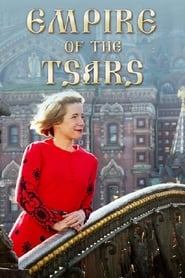
star 7.1Mark Kermode reveals the film-making tricks and techniques behind classic movie genres, from romcoms to horrors.Empire of the Tsars: Romanov Russia with Lucy Worsley
2016
star 7.3Lucy Worsley travels to Russia to tell the extraordinary story of the dynasty that ruled the country for more than three centuries - the Romanovs.The Tony Blair Story
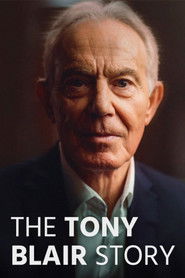
2026
The Tony Blair Story
2026
Tony Blair is one of Britain's most successful and controversial leaders. With unprecedented access, including Blair and family, this series charts his meteoric rise to power. And what happened next. Featuring an in-depth interview with Tony Blair himself, his story is also told through those who knew him best – friends, allies, and opponents. Peeling back the layers of political spin and tabloid sensationalism, the programme offers a fresh perspective on the man who transformed the Labour Party and reshaped Britain. The series goes beyond the headlines to explore the key moments that shaped Blair’s leadership, providing a gripping insight into one of the most influential Prime Ministers of the modern era.Topkapi Palace
1991
Topkapi Palace
1991
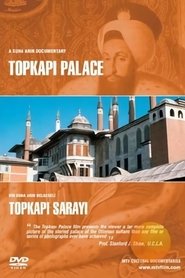
The Ottoman Dynasty extended over three continents, surviving 600 years from the Middle Ages to the beginning of the 20th century. 24 of its 36 Sultans ruled the Empire from Topkapi Palace in Istanbul, for a period of 400 years. The royal residence, which has witnessed moments of great joy and sorrow, became a museum after the founding of the Turkish Republic in 1923 by Kemal Ataturk. Until it opened its doors to visitors from all over the world, the Topkapi Palace had always been a mysterious, shuttered world. The "Topkapi Palace" series represents the widest-ranging project of its kind ever to be taken. It was in 1990 that all the doors of the Topkapi Palace were opened to a film crew for the first time. Their lights probed parts of the palace still closed to visitors and, indeed, into places that had never seen the daylight.Gold Rush in Australia
2013
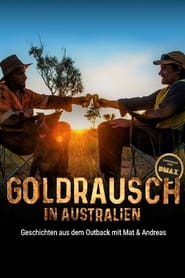
star 7Two men, one mission. Andrew and Mat are old pals, and they share a great passion: the search for gold! In the Australian wilderness adventurers hoping for the big discovery. Prospectors Mat has operated there for over ten years, that is what "washing dirt" is called: He dredged tons of earth by a huge drum and washes out the fine gold. And Andrew is active in the outback at his side, because the German after several trips to the continent now is also an expert in Australia. On Mats mine the men live their dream of gold rush in Australia.