Documentary TV Series - Page 456

Dogs of the Year
2019
Dogs of the Year
2019
Kevin Frazier and Nischelle Turner count down the Top 10 dog stories of 2019-2021 from the American Kennel Club Museum of the Dog in New York City.Craving Fish! Exploring 3,000 harbors for local catch.
2020
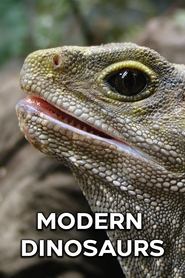
star 10This documentary variety show features fish-loving reporters visiting one of approximately 3,000 harbors across Japan. They embark on a culinary journey to savor the 'delicious local fish' that can only be enjoyed in their respective regions.Modern Dinosaurs
2017
SWR Porträt
2023
SWR Porträt
2023
Tiny Oz
2022
Tiny Oz
2022
Comedian Jimmy Rees and tiny craft artist JoAnne Bouzianis-Sellick unite with the extraordinary crafts people of Australia to re-create remarkable moments from our nation's history, in glorious miniature.Extreme Job
2008
Extreme Job
2008
Sons of The Soil - Jaipur Pink Panthers
2020
star 6.8A sports documentary series that goes behind the scenes to follow one of India’s most celebrated Pro Kabaddi league team - the Jaipur Pink Panthers. The narrative is built around the struggles, pain and the journey of the players, coaches and their ultimate journey towards success.Looking for Rembrandt
2019
The life and art of the quintessential 17th century Dutch painter Rembrandt.高山盛装
2025
高山盛装
2025
Entre quatre parets
2025
Entre quatre parets
2025
I Was Actually There
2024
I Was Actually There
2024
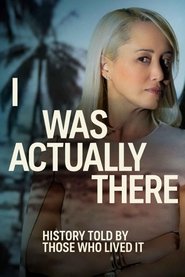
From the makers of the award-winning You Can't Ask That, this bold six-part documentary explores defining moments of our recent history through the eyes, ears and voices of those who witnessed them firsthand.Don't Stop Movin'
2002
Don't Stop Movin'
2002
A 9-part docuseries following a British pop band S Club 7 during their 2002 Carnival Tour. Starting with tour rehearsals, it shows the group dealing with a hectic day-to-day life of being a pop star, performing live at night while promoting their music and giving interviews during the day. Each episode is narrated by an S Club member.Junior Doctors Down Under
2023
Every year hundreds of junior doctors are lured Down Under to work where they've never worked before: The Emergency Department.Beyond the Darklands
2008
Beyond the Darklands
2008
Beyond the Darklands is a New Zealand true crime television series that airs on TVNZ's TV One. It is narrated and presented by clinical psychologist Nigel Latta, with each episode focusing on a certain criminal. The show has run for five seasons. Inspiration for the series came from Latta's 2003 book Into the Darklands: Unveiling the Predators Among Us, which dealt with Latta's work as a forensic psychologist. An Australian series of the same name based on the New Zealand show has been running since 2009. The TVNZ series was previously shown in Australia on the ci channel on Foxtel.Stars der Bundesliga
2020
Stars der Bundesliga
2020
The Playboy Bunny Murder
2023
star 6.5The Playboy Bunny Murder will see Marcel Theroux investigate a set of disturbing murders of young women that have remained unsolved since the 1970s and reveal a dark and violent side hidden beneath the wealth and glamour of exclusive corners of London’s nightlife at that time. The journalist and filmmaker’s long-standing interest in the brutal murders, which shocked the London he grew up in, led him to return to the killings of Eve Stratford, a Playboy Bunny who aspired to be a famous model, Lynda Farrow, a croupier with years of experience working in nighttime London, and Lynne Weedon, a schoolgirl whose whole life lay ahead of her.Πρόσωπα
2022