Documentary TV Series - Page 470

Bingo
2013
Bingo
2013
The English Programme
1976
Long-running series for schools and colleges produced by Thames Television which comprised classic plays, contemporary dramas, poetry anthologies, documentaries and other material suitable for English language and literature syllabuses.Jancis Robinson's Wine Course
1995
star 9In an encyclopaedic tour around the wine producing countries of the world Jancis Robinson captures the flavour of each region’s wines and recommends the best names to look out for. Everything from production and tasting to storing of wine is covered. Each of the 10 episodes is centred on a major grape variety with other important wine topics woven in where appropriate. Being a well known wine authority, Jancis Robinson is able to infiltrate the wineworld’s elite and shows the viewer all aspects of wine production.The Noughties...Was That It?
2009
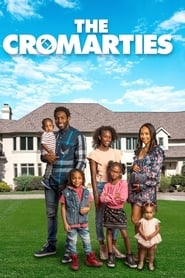
Countdown of things that happened in the 2000s - the decade that seemed to end before it had begun.The Cromarties
2017
The Cromarties
2017
Follow former NFL all-star Antonio Cromartie and his wife Terricka, as they take on the everyday challenges of raising a blended family of five (soon to be six) kids.n-tv Ratgeber
2015
n-tv Ratgeber
2015
Maui Fever
2007
Maui Fever
2007
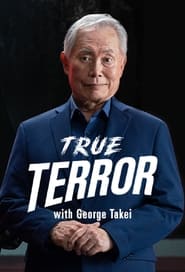
Maui Fever is an American reality television series on MTV. The series debuted on Wednesday, January 17, 2007 at 10:30PM on MTV. The series reveals the daily lives of several young haole friends living in the Kaanapali area on the island of Maui. Following the style of MTV's Laguna Beach: The Real Orange County, The Hills and 8th & Ocean, Maui Fever was shot as a "reality drama". Maui Fever cast members never spoke directly to the camera or gave testimonials, a tactic used in MTV's The Real World and in traditional documentaries. However, a voice-over narrative spoken by Cheyne Magnusson, one of the main characters, was used at the beginning of each episode to set up the scene and tie together storylines. The opening credits of Maui Fever featured the song, "Horndog" by Overseer.True Terror with George Takei
2019
star 8This short-form documentary series, hosted by George Takei, that takes a deep dive into some of the most bizarre and sensational unsolved mysteries in world historySirenas rock
2020
Sirenas rock
2020
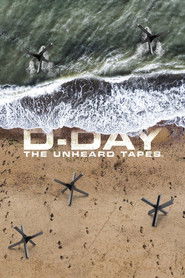
The D-Day Tapes
2024
The D-Day Tapes
2024
star 7The story of the biggest seaborne invasion in history, told using a treasure trove of rare and previously unheard recordings of those who lived through it, lip-synched by actors.La fraternité : les secrets de l'Ordre du Temple solaire
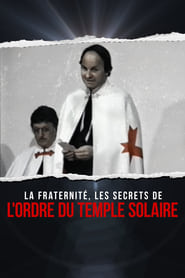
2023
star 10The tragedy of the Order of the Solar Temple has been - and remains to this day - a highly complex criminal and judicial puzzle which, according to some, is still unsolved. Using archive footage and never-before-seen eyewitness accounts, this series dissects the drift of a communal utopia towards annihilation by bullets and fire.Eerste keus
2024
Eerste keus
2024
With My Dear Bro
2023
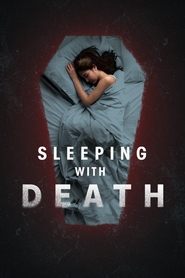
Sleeping With Death
2022
Sleeping With Death
2022
star 7This compelling edge-of-your-seat docu-series recounts some of the most bizarre and crazy murders in which someone wakes up to a dead body.. With access to lead investigators, key witnesses and those closest to the victim, the series uncovers the secrets and truth behind each twisted murder.Sterns Stunde
1970
Sterns Stunde
1970
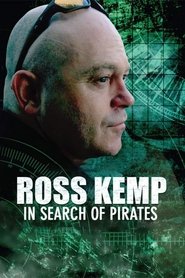
Ross Kemp in Search of Pirates
2009
Ross Kemp documents the ever-increasing risk of piracy on the world’s oceans as he searches for pirates off the coasts of Somalia, Nigeria and the seas of South East Asia.Wild Sanctuaries
1991
Wild Sanctuaries
1991
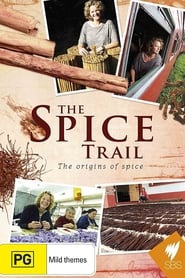
1991 TV series about animals living in their natural habitat, filmed around the globe.The Spice Trail
2011
The Spice Trail
2011
Kate Humble goes on the trail of some of the world's most valuable spices revealing their history, trade, mythology and usage.Maximum Security
1984
Maximum Security
1984
star 5Maximum Security is an American drama television series on HBO about life in a supermax prison. The 45 minute pilot premiered July 3, 1984, and the six-part series began on March 5, 1985. Its stars included Robert Desiderio, Geoffrey Lewis, and Jean Smart. Among its directors were Sharron Miller and Gilbert Moses. The series was filmed at the Lincoln Heights jail in Los Angeles, California, USA.Our Yorkshire Pub Rescue with Jon Richardson
2026
star 6What do you do if you love pubs and Yorkshire? Bring an old boozer back to life! Jon Richardson becomes a shareholder in Fadmoor Community Pub and helps to breathe life back into this historic local, which has been closed for 14 years.