Documentary TV Series - Page 480

Die Akte Trump
2025
Die Akte Trump
2025
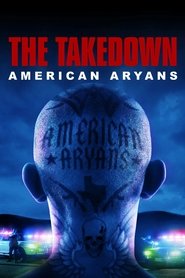
The Takedown: American Aryans
2025
star 6.3A look inside the cult-like world of the Aryan Brotherhood of Texas from the late 2000s to the present day. Told principally by charismatic federal agent Richard Boehning, the series examines an organized crime group built on Nazi ideology and extreme violence operating under the radar in the suburbs of Texas.Road To Monza
2022
Fede forhold
2019
Fede forhold
2019
Danceworks
2018
Danceworks
2018
With intimate, behind-the-stage access, these short films explore the creative process of extraordinary dancers and choreographers as they rehearse new work and performances.Transcendence
2018
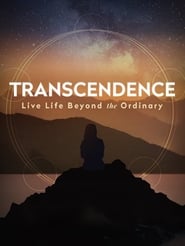
Transcendence
2018
Come on a journey to discover the secrets to living a happy and purposeful life. Learn from the world’s best — including such thought leaders as Bruce Lipton and Joe Dispenza and international tennis champio Novak Djokovic — on how you can achieve everything you’ve ever wanted, using what you already have. In this 5-part docu-series you’ll hear from some of the world’s most recognized doctors, high-performance athletes, thought leaders, and everyday people who are living a life on purpose through the power of food, mindset, and self-discovery.Marriage Stories
1987
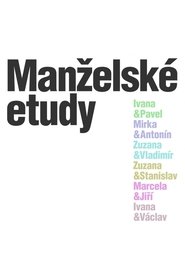
Marriage Stories
1987
star 8This highly acclaimed cycle of documentaries observing changes in the lives of married couples from their weddings to the present day,. The series of six full-length films directed by Helena Treštíková met with an extraordinary reception when it was presented on television. Almost a million spectators watched some of the life-stories, a number never previously reached by any documentary program. This enormous interest is well deserved; the films have so many layers that they will maintain their relevance and value even into the future.Far and Wide
2016
Far and Wide
2016
From coast to coast to coast join MUCH as we go Far & Wide to expose the most unique and exciting things to do, try and see in Canada. Through inspiring videos, awesome stories and amazing influencers, find out some of the best kept secrets of Canada on Far & Wide.The Vikings Myths
2024
The Vikings Myths
2024
star 8.5A fascinating journey through Norse mythology, a huge universe inhabited by gods and mysterious creatures.The 60s: The Beatles Decade
2008
When people are asked to think about the 1960s, they automatically think love, peace and...The Beatles. Over the decade, the Fab Four changed from cheeky pop mop-heads to blissed-out experimentalists, and this transformation mirrored the country as a whole. This five-part documentary series looks at how the world's most famous pop group personified one of the most explosive and volatile decades of the 20th century. Although the 60s generation had it all, a changing political landscape and changing attitudes to sex and relationships were dragging Britain into a new age. By the end of the decade, The Beatles had split up, proving that the band's personalities and their music had become true symbols of an iconic decade.Native America
2019
Native America
2019
star 9.3Explore the world created by America’s First Peoples. This four part series reaches back 15,000 years to reveal massive cities aligned to the stars, unique systems of science and spirituality, and 100 million people connected by social networks spanning two continents.Dürfen Die Das?
2021
Dürfen Die Das?
2021
Monitor
1958
Monitor
1958
star 6Monitor was a BBC arts programme that was launched on 2 February 1958 and ran until 1965. Huw Wheldon was the first editor from 1958 to 1965. He was also the principal interviewer and anchor. Wheldon set about moulding a team of talents, including John Schlesinger, Ken Russell, Patrick Garland, David Jones, Humphrey Burton, John Berger, Peter Newington, Melvyn Bragg, Nancy Thomas and Alan Tyrer. Monitor ranged in subject over all the arts. Wheldon's Monitor lasted until he had "interviewed everyone I am interested in interviewing", and he was succeeded by Jonathan Miller for the series' last season.SOS TV
2012
SOS TV
2012
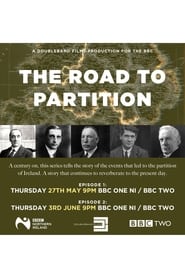
The Road to Partition
2021
On the 22nd June 1921 King George V and Queen Mary arrived in Belfast for the official opening of the first Northern Ireland parliament. Fearful for their lives, they had come to a city scarred by bitter sectarian violence. The King’s visit to Belfast was the culmination of three centuries of history – and three years of political brinkmanship and brutal communal violence. The occasion marked the creation of the new state of Northern Ireland. A line had been drawn on the map – a new border that separated the north and south of the island. One hundred years on, this is the story of the dramatic events that led to the partition of Ireland. A story that continues to reverberate to the present day - and dominate relationships between the islands of Britain and Ireland.The Fifties
1997
The Fifties
1997
star 1Archival footage and interviews with historians mark this fascinating documentary on the 1950s, based on David Halberstam's bestseller. Among the subjects covered: work and the family; the impact of TV; the Cold War; and the beginnings of the civil-rights movement and the sexual revolution.探寻人工智能
2017
Alexander Armstrong's Big Ask
2011
Alexander Armstrong's Big Ask is a British comedy panel show hosted by Alexander Armstrong. The pilot was shown on Dave on 30 May 2011. The guests on the pilot were Robert Webb, Katy Brand and Griff Rhys Jones. After a positive reaction to the pilot, Dave ordered a full series which was filmed in October 2011 and broadcast from 6 February 2012. A second series began 26 February 2013.Decoding History's Prophecies
2026
star 7Throughout history, tales of legendary figures have emerged with remarkable powers to see beyond the veil of time. From ancient China, Egypt and Rome to medieval Europe and the 20th-century United States, join historians, scholars and literati on a deep dive into the esoteric world of healers, hoaxers, mystics and oracles.BRAVA
2023